
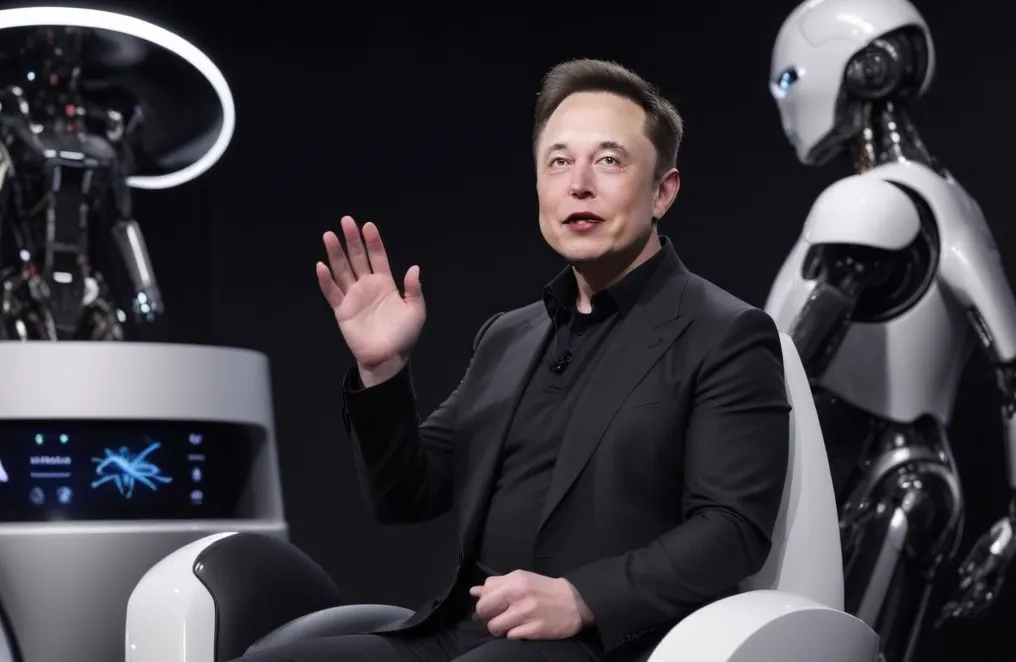
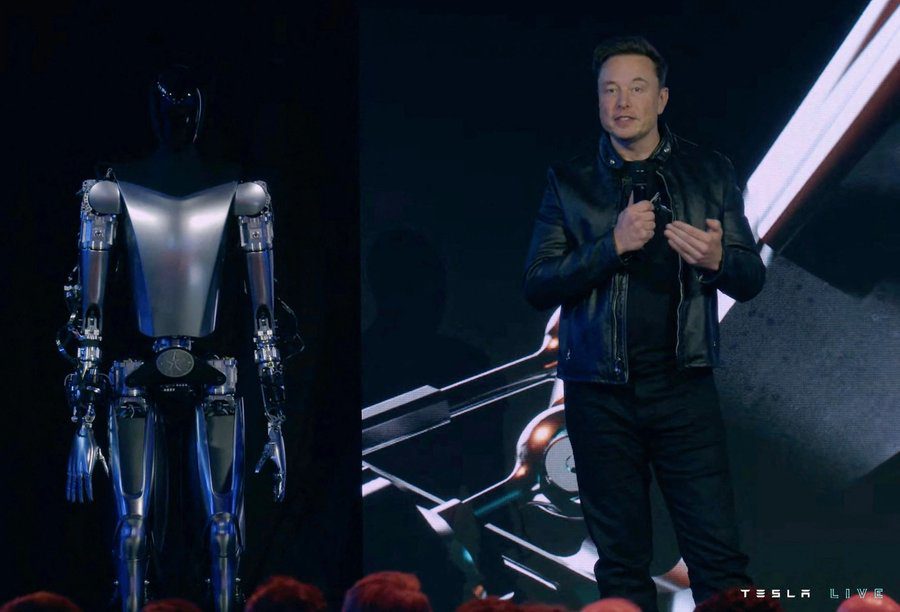
In recent years, Elon Musk has emerged not only as a tech visionary but also as one of the most vocal proponents of artificial intelligence and robotics. According to him, we are on the verge of an economic and societal transformation unlike anything humanity has ever seen. Elon Musk believes that AI and robotics will soon create an era of limitless abundance, driving a tenfold boost in productivity, ending poverty, and making goods and services universally accessible to everyone.
Ai robotics – Imagine a world where everything you need—food, clothing, education, even healthcare—is either free or nearly free. This isn’t a science fiction fantasy but a future that seems increasingly plausible with the rapid advances in automation, machine learning, and humanoid robotics. Musk envisions a scenario where robots do most of the labor,
The heart of Musk’s prediction lies in exponential productivity. With robotics handling physical labor and AI taking over cognitive work, the human input in the economy could drastically decrease. Yet, the output could soar.
This future also brings up the idea of a “universal high income” rather than a basic income. Musk’s view, if AI systems and robots generate immense value, then people should share in that wealth without necessarily working for it. Elon must say that Ai and robotics The traditional idea of earning money through work could soon give way to a system where people receive income simply for being citizens.
The Existential Dilemma
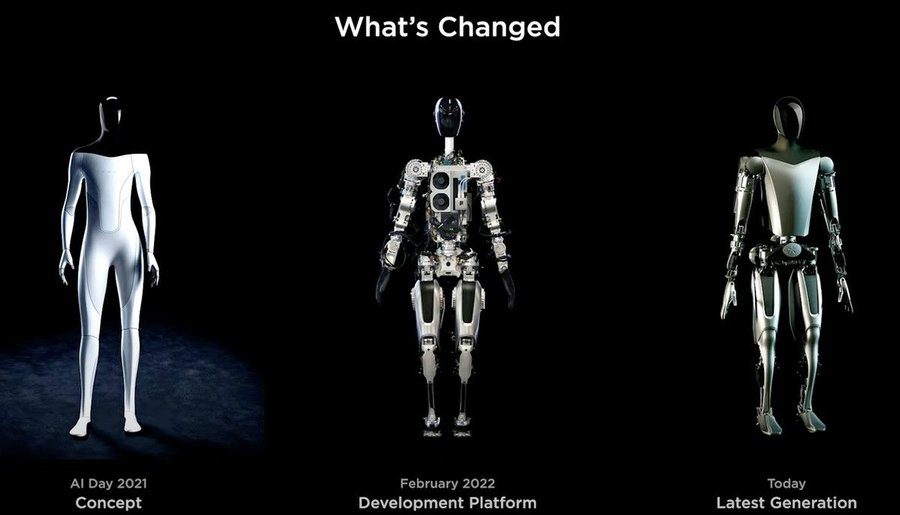
Yet, the question remains—what happens to human purpose when machines do everything better? Musk has acknowledged that in such a future, the greatest challenge will not be economic but psychological and philosophical.
Work has long been a source of identity and meaning for humans. From farmers to teachers to engineers, our jobs have often defined our roles in society. Without work, will we lose our sense of contribution and value?
One possible answer lies in creativity, relationships, and exploration. Humans may shift focus to arts, sciences, community building, and self-development. The freedom from survival-based labor could give rise to a renaissance of human spirit—where time is spent not on earning, but on evolving.
Still, this transition won’t be easy. Many people might struggle to adapt, especially in societies where self-worth is heavily tied to productivity. Education systems will have to transform to prepare future
Despite the promising picture, critics are quick to point out several flaws in Musk’s timeline and assumptions. Technological maturity, affordability, and widespread adoption of robots are still years—if not decades—away. Today’s robots still lack the dexterity, intuition, and empathy needed for complex human interactions.
Ai and robotics Moreover, there’s the risk of unequal access. quality. Without proper management, automation might replace millions of jobs faster than new opportunities are created.