
- Introduction: When Movies Stop Being “Made” and Start Being “Generated”
- Traditional Filmmaking vs AI-Generated Movies
- Why 2026 Is the Breakthrough Year for AI-Generated Movies
- How AI-Generated Movies Are Actually Made
- Are AI-Generated Movies “Creative” or Just Copying?
- Key Benefits of AI-Generated Movies
- Challenges & Ethical Questions Still Exist
- What This Means for Aspiring Filmmakers & Creators
- The Future: Hybrid Cinema, Not AI-Only Cinema
- Conclusion: A New Era Has Officially Begun
Introduction: When Movies Stop Being “Made” and Start Being “Generated”
AI-Generated Movies are becoming a reality faster than we expected. Imagine watching a film where the script, visuals, background score, and even actors are created by algorithms—yet the emotions feel real, the storytelling feels human, and the production quality rivals Hollywood blockbusters.
That future is no longer science fiction.
AI-Generated Movies are stepping into the mainstream in 2026, marking a fundamental shift in how films are created, funded, and consumed. What began as experimental short clips and AI-assisted editing has evolved into full-length movies powered largely by artificial intelligence.
As someone who closely follows AI tools, creative automation, and digital production trends, I’ve seen this shift building quietly for years. In 2026, it’s finally loud—and impossible to ignore.
This article explores why AI-generated movies are going mainstream, how they differ from traditional films, what this means for filmmakers and audiences, and whether creativity is being replaced—or redefined.
Traditional Filmmaking vs AI-Generated Movies
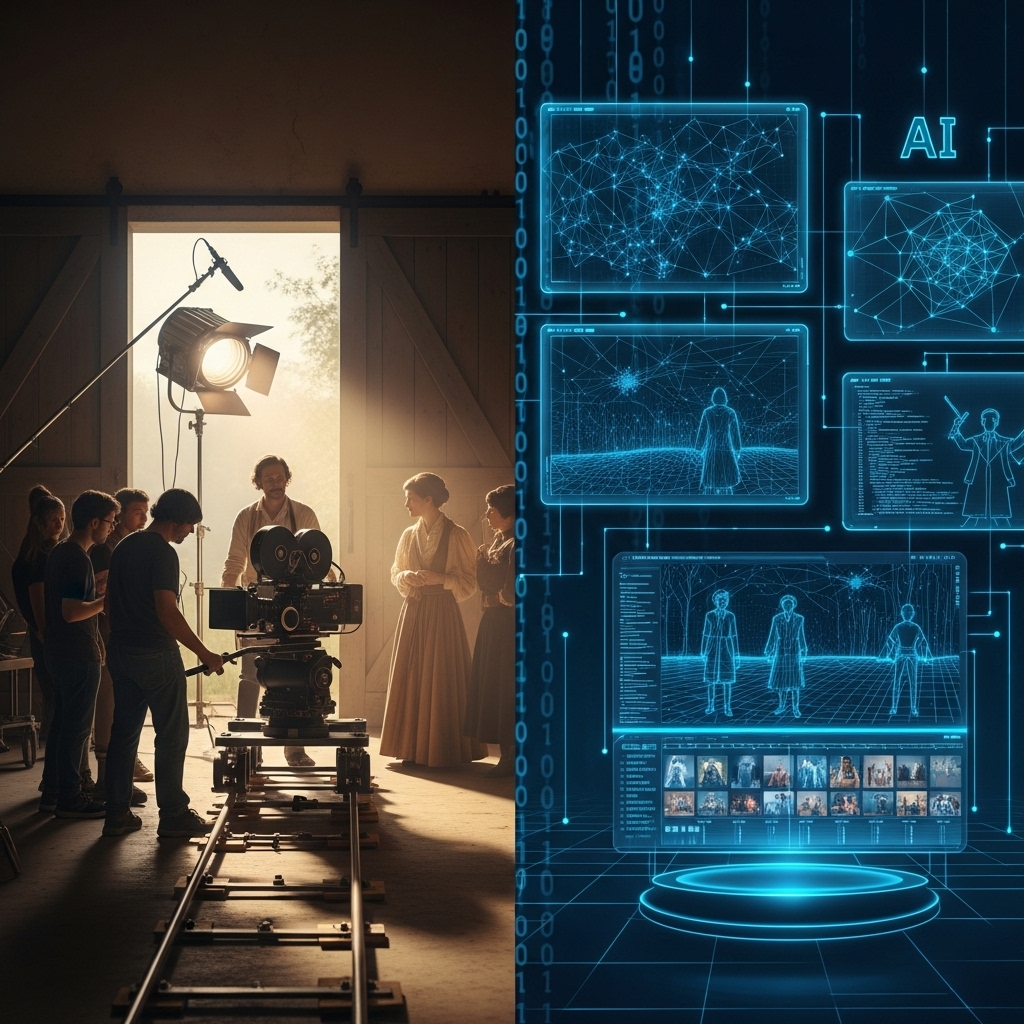
Before understanding why 2026 is a turning point, it helps to clearly see how AI-generated filmmaking differs from the traditional model.
More Updates:-
- What Is ChatGPT Jobs? OpenAI’s New Career-Focused AI Agent
- 40 Jobs AI Can’t Replace (Yet): A Reality Check from Microsoft’s Research
- Artificial Intelligence Is Reshaping Careers in the Most Visible Way
- Why 2026 Is the Best Time to Build Mobile Apps with AI for Online Earning
- AI Side Hustles You Can Start in 2025 (With Zero Investment) – Complete Guide
- GitHub Copilot (2025 Guide): Features, Pricing, and How to Make Money Using It
- Ways to Earn Money with AI in
- Latest AI News Around the World
- Putin’s Warning: Why Artificial Intelligence Will Shape Future Wars
- how to make money using AI
Comparison Table: Old Cinema vs AI Cinema
| Aspect | Traditional Filmmaking | AI-Generated Movies |
|---|---|---|
| Scriptwriting | Human writers, long timelines | AI + human prompts, minutes to hours |
| Casting | Actors, auditions, contracts | Virtual actors, AI avatars |
| Shooting | Physical sets, cameras | Text-to-video & generative visuals |
| Budget | Millions of dollars | Fraction of traditional cost |
| Production Time | Months or years | Days or weeks |
| Creative Control | Studios & producers | Individual creators + AI |
This shift doesn’t eliminate humans—it reshapes their role.
Why 2026 Is the Breakthrough Year for AI-Generated Movies
AI didn’t suddenly become creative in 2026. What changed is capability, accessibility, and acceptance—all at once.
1. AI Video Models Finally Reached Cinematic Quality
Earlier AI videos felt robotic or uncanny. In 2026, new-generation models produce:
- Consistent characters across scenes
- Realistic lighting, camera motion, and depth
- Emotionally expressive faces and body language
These advancements are driven by breakthroughs from companies like OpenAI, Google DeepMind, and open-source research communities.
2. Indie Creators Now Compete With Studios in the Era of AI-Generated Movies

What once required:
- Film crews
- Expensive cameras
- Physical locations
Now requires:
- A laptop
- Storytelling skills
- Smart AI prompts
This democratization is why AI-generated movies didn’t just appear—they exploded.
3. Streaming Platforms Are Actively Experimenting
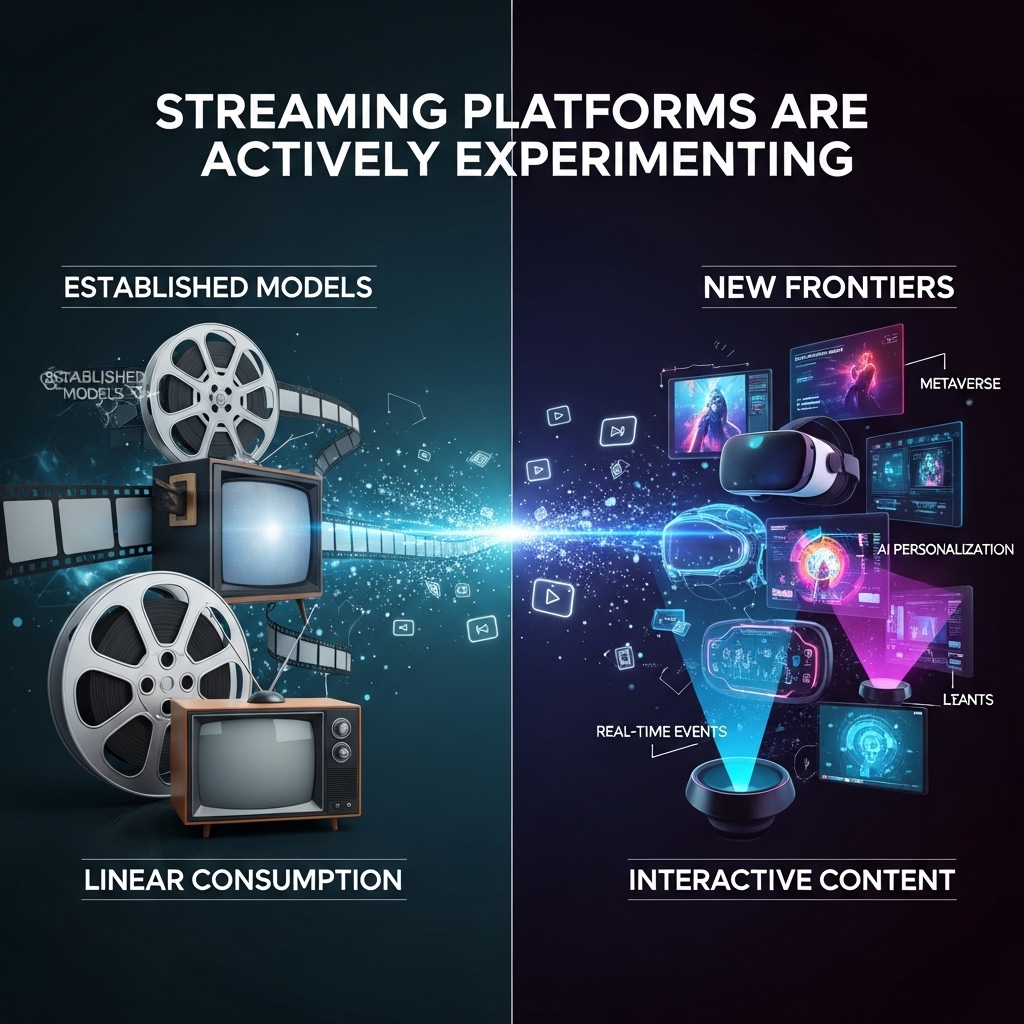
Major streaming platforms are quietly testing AI-assisted and AI-generated content because:
- AI reduces production risk
- Niche stories become profitable
- Personalized storytelling becomes possible
In 2026, platforms care less about how a movie is made—and more about whether people watch it.
How AI-Generated Movies Are Actually Made
Contrary to myths, AI movies are not created by pressing one button.
Step 1: Story & Prompt Engineering
Creators define:
- Genre
- Emotional tone
- Character arcs
- Visual style
AI helps generate multiple script drafts in minutes.
Step 2: Virtual Actors & Scenes
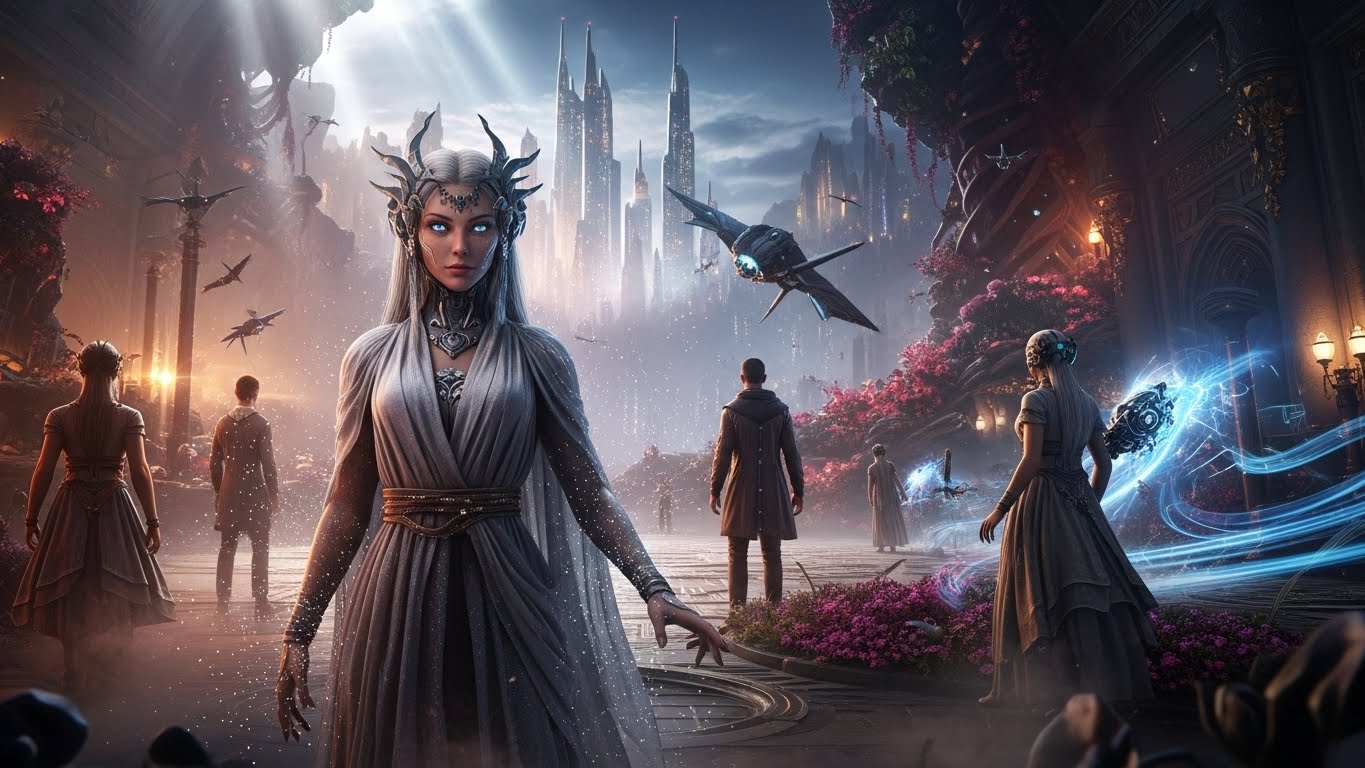
Instead of casting humans:
- AI avatars are generated
- Voices are synthesized
- Facial expressions are controlled digitally
Step 3: Generative Cinematography
AI models handle:
- Camera angles
- Scene transitions
- Background environments
Step 4: Editing & Sound Design
AI assists with:
- Scene pacing
- Background music
- Color grading
The creator becomes more like a director + editor + producer combined.
Are AI-Generated Movies “Creative” or Just Copying?
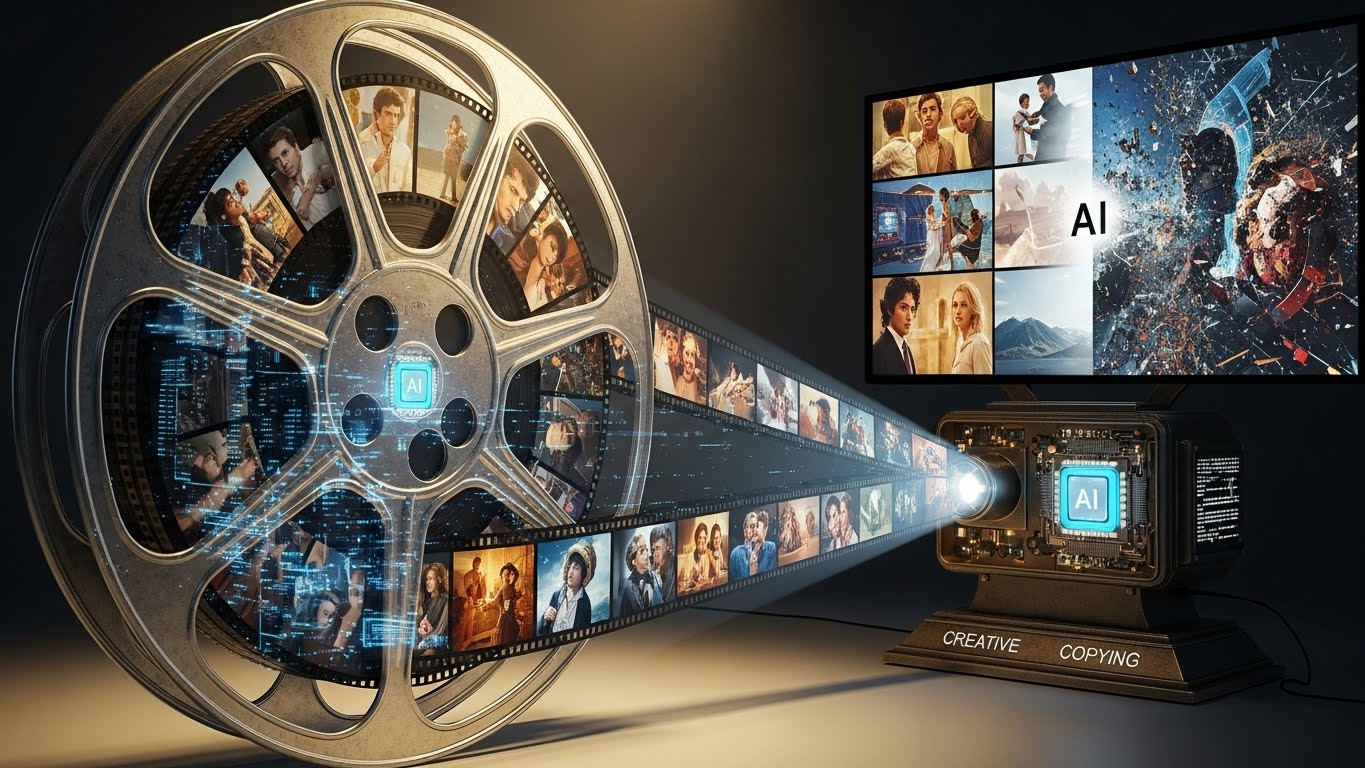
This is the biggest debate in filmmaking right now.
My Honest Perspective
AI doesn’t feel emotions—but it learns patterns of emotion. Creativity emerges from how humans:
- Frame prompts
- Curate outputs
- Combine ideas
In many AI-generated movies I’ve analyzed, the creativity lies not in the algorithm—but in the human-AI collaboration.
AI is not replacing imagination.
It’s removing friction between imagination and execution.
Key Benefits of AI-Generated Movies
For Filmmakers
- Radical cost reduction
- Faster experimentation
- Full creative independence
For Audiences
- More diverse stories
- Niche genres finally explored
- Global storytelling without language barriers
For the Industry
- Lower risk productions
- Faster content cycles
- New creator economy
Challenges & Ethical Questions Still Exist
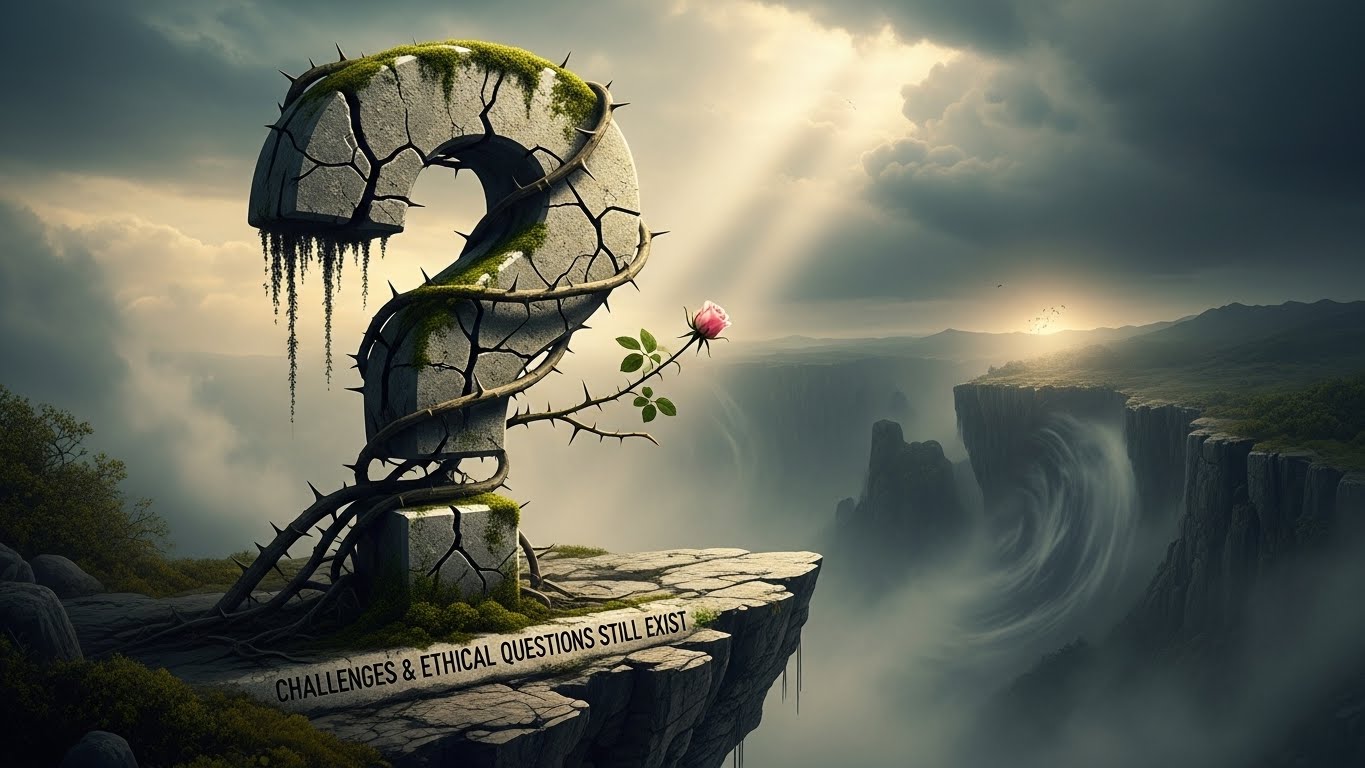
AI-generated movies aren’t perfect.
Major Concerns:
- Copyright and training data
- Actor likeness rights
- Job displacement fears
- Deepfake misuse
Governments and studios are actively working on frameworks, but 2026 is still a transition year, not a final destination.
What This Means for Aspiring Filmmakers & Creators
If you’re a:
- Content creator
- Writer
- YouTuber
- Indie filmmaker
This is the best time in history to experiment with filmmaking.
You no longer need permission, money, or connections—only ideas and consistency.
The Future: Hybrid Cinema, Not AI-Only Cinema
The most successful films of the future will likely be:
- Human-written stories
- AI-assisted visuals
- Real emotions amplified by technology
Think of AI not as the director—but as the ultimate creative assistant.
Conclusion: A New Era Has Officially Begun
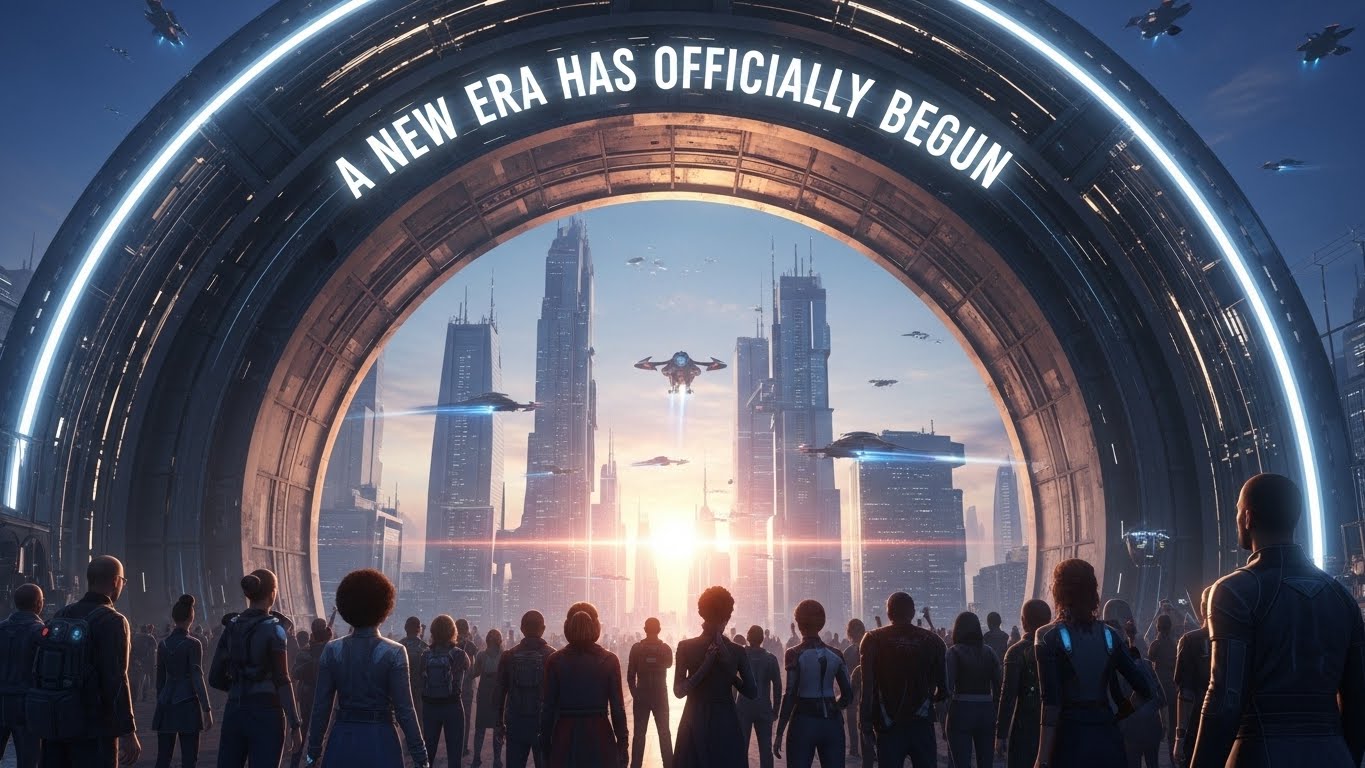
AI-Generated Movies in 2026 are not a trend—they’re a turning point.
Just like digital cameras replaced film reels, and streaming replaced DVDs, AI is redefining how stories reach screens. The winners won’t be those who resist AI—but those who learn to co-create with it.
Cinema isn’t dying.
It’s evolving.
What’s your take on AI-generated movies—excited or concerned?
Subscribe for more deep dives on AI, creativity, and digital futures.
Explore related articles on AI tools, content creation, and emerging tech.
(Related to: AI-generated visuals, scripts, video models)