
Introduction
For decades, warfare has been driven by human strategy, intelligence networks, and advanced weapon systems. But now, a new force is quietly entering the battlefield: AI Warfare.
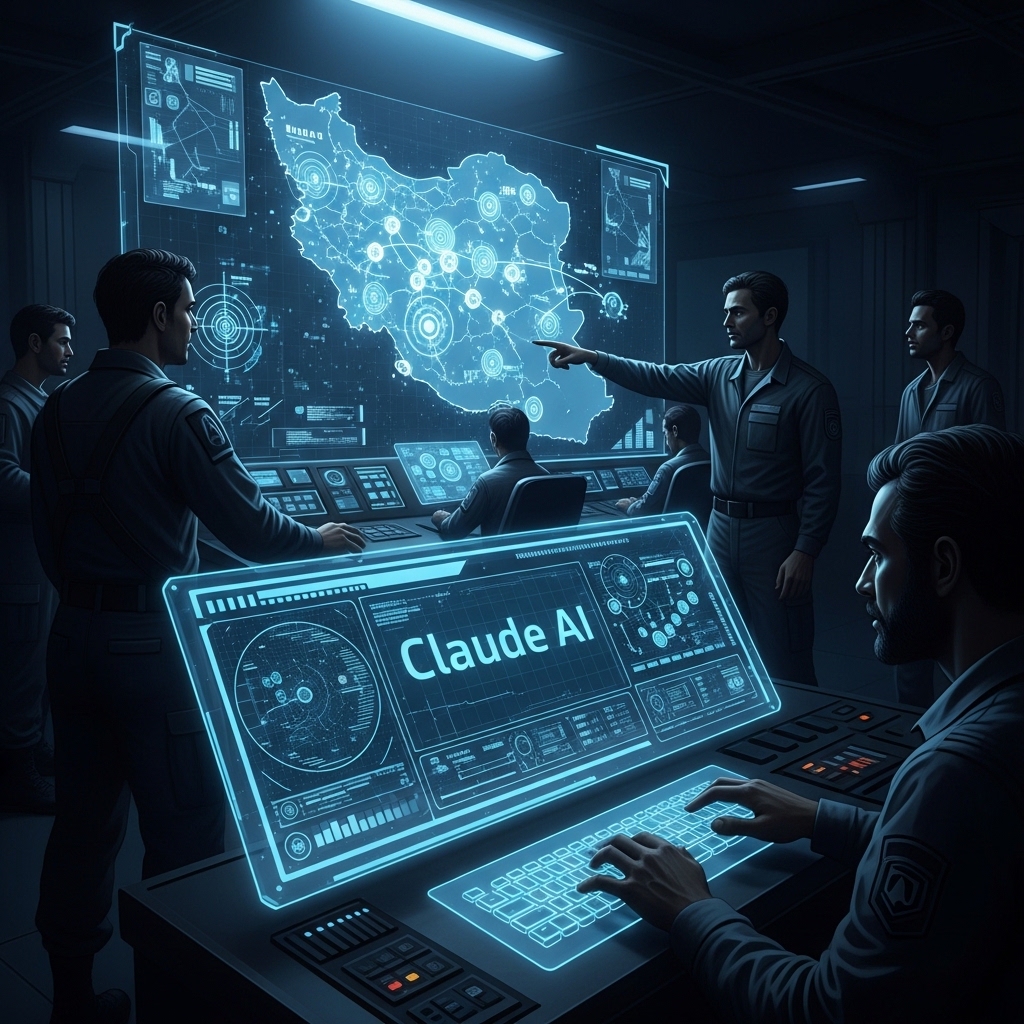
Recent reports revealed that Claude AI, developed by the company Anthropic, was reportedly used by United States Central Command to assist with intelligence assessments and potential target analysis in operations connected to Iran.
This development marks a pivotal moment in military history.
Artificial intelligence is no longer just powering chatbots, marketing tools, or coding assistants. It is now influencing national security decisions, military planning, and battlefield simulations.
For many observers, this raises an uncomfortable question:
Are we entering an era where machines help decide the outcomes of wars?
In this article, we explore how AI Warfare is evolving, the role Claude AI reportedly played, and why the acceleration of military AI may be both revolutionary and deeply concerning.
The Rise of AI Warfare
Artificial intelligence has rapidly become a strategic priority for governments worldwide.
Military organizations are investing billions into AI systems capable of analyzing intelligence faster than human analysts. These systems can process satellite imagery, communication intercepts, and battlefield simulations in seconds.
AI Warfare refers to the use of artificial intelligence in military operations, including:
- Intelligence analysis
- Target identification
- Battlefield simulations
- Cyber warfare
- Autonomous weapon systems
Countries including the United States, China, and Russia are heavily investing in these technologies.
In fact, the U.S. Department of Defense launched its Joint Artificial Intelligence Center (JAIC) specifically to accelerate AI adoption in military systems.
The reason is simple:
AI processes data at a scale no human intelligence team ever could.
Claude AI and Its Reported Role in U.S. Military Intelligence
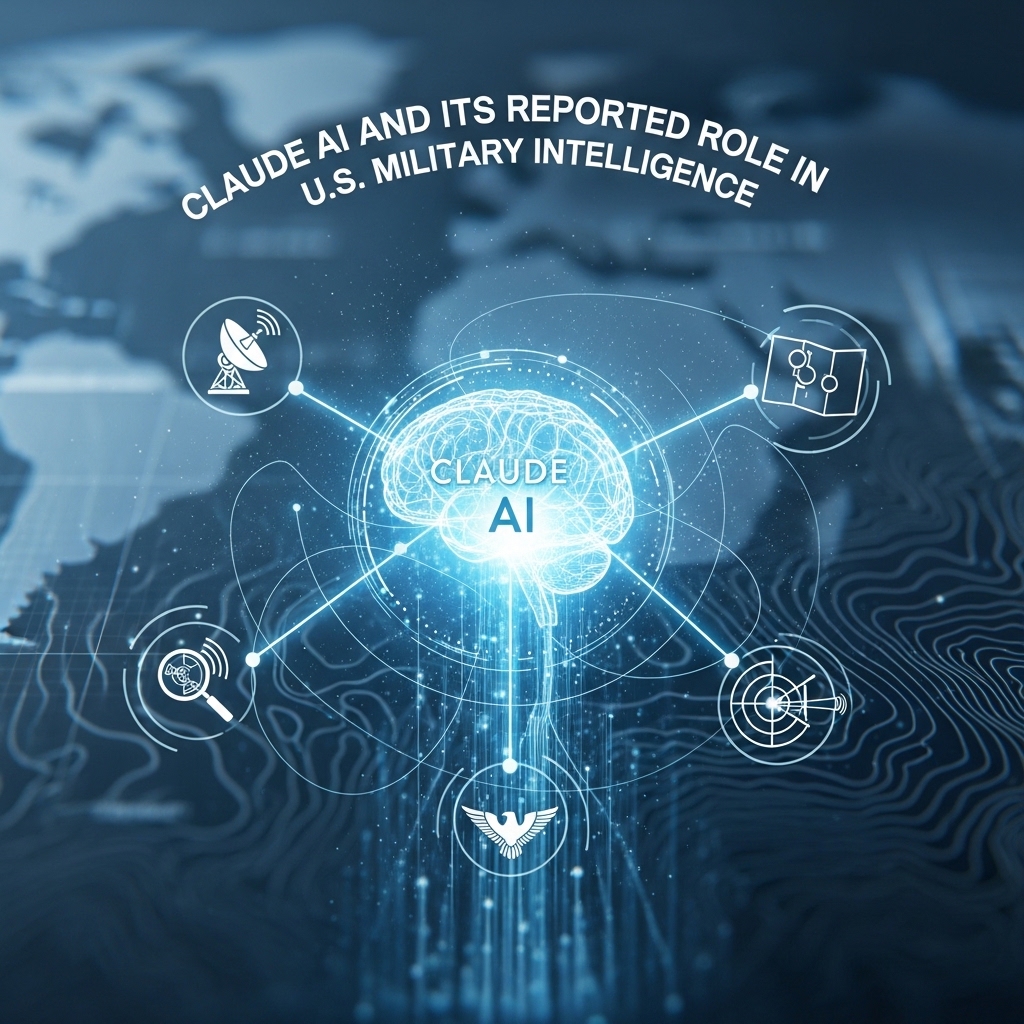
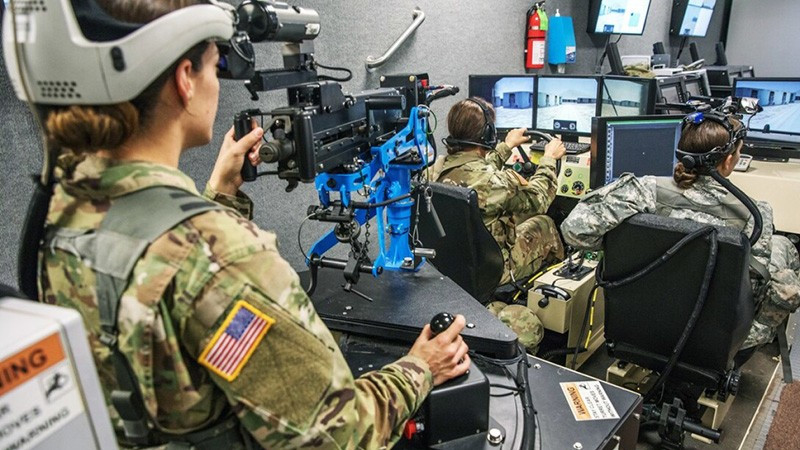
Claude AI is one of the most advanced large language models currently available.
Built by Anthropic, the model is designed to analyze complex information, generate insights, and simulate scenarios.
According to reports from sources like The Wall Street Journal, the U.S. Central Command used Claude in intelligence-related tasks during military planning connected to Iran.
The system reportedly helped with:
- Intelligence assessment
- Target identification
- Simulated battle scenarios
- Data synthesis from large intelligence datasets
Rather than directly controlling weapons, Claude AI functioned as a decision-support tool.
This distinction is important.
The AI did not launch missiles or command troops.
But it may have influenced how military planners interpreted intelligence data.
And that alone is significant.
How AI Is Transforming Military Decision-Making
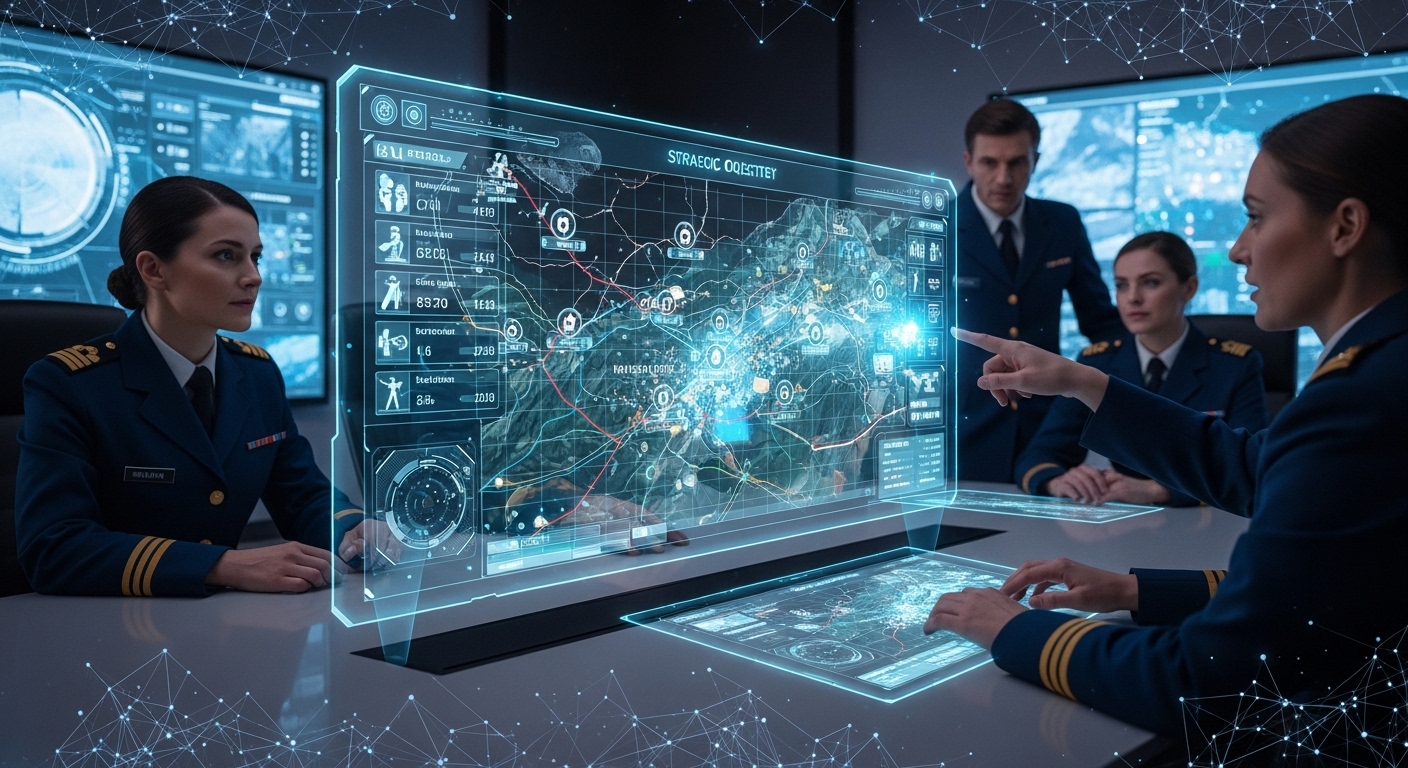
Modern warfare generates enormous volumes of data.
Satellites, drones, sensors, cyber networks, and intelligence agencies produce information constantly.
Human analysts simply cannot process everything quickly enough.
AI systems solve this problem by identifying patterns across massive datasets.
Example Capabilities of AI Warfare Systems
| Capability | Human Analysis | AI Analysis |
|---|---|---|
| Satellite image analysis | Hours or days | Seconds |
| Intelligence report synthesis | Multiple analysts | Automated processing |
| Battlefield simulation | Limited scenarios | Millions of scenarios |
| Threat prediction | Based on experience | Data-driven probability |
AI does not replace commanders.
Instead, it acts like a strategic advisor capable of processing millions of possibilities.
But this creates new risks.
If military leaders rely too heavily on AI recommendations, decision-making could become partially automated.
Why the Use of Claude AI in Warfare Is Controversial
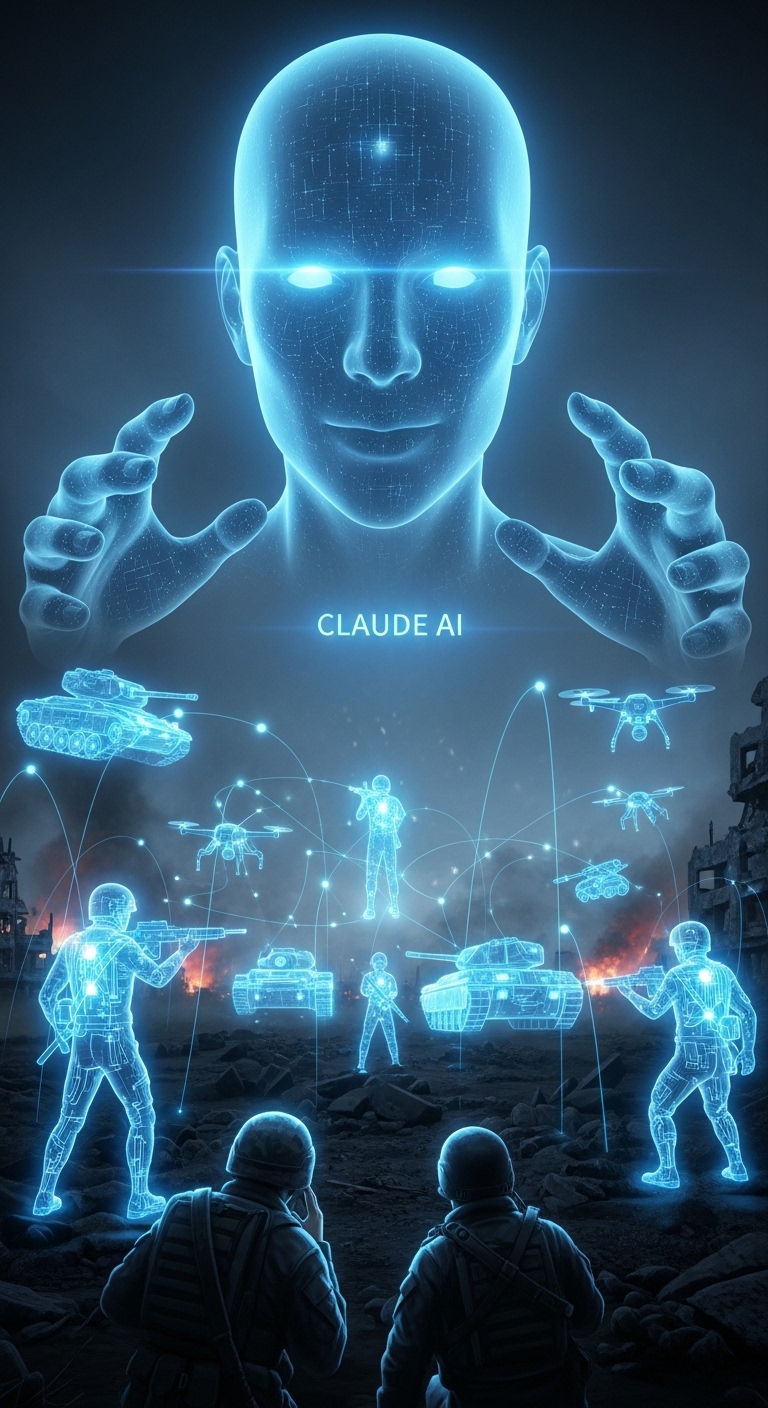
Many experts worry about the rapid militarization of artificial intelligence.
The concerns fall into several categories.
1. Accountability
If AI-assisted analysis contributes to a military strike, who is responsible?
- The commander
- The AI developer
- The government
- The algorithm itself
International law has not yet caught up with AI Warfare.
2. Algorithmic Bias
AI systems learn from data.
If intelligence data contains errors, incomplete information, or bias, AI recommendations may also be flawed.
In military operations, even small errors can have devastating consequences.
3. Escalation Risk
AI dramatically accelerates decision-making.
In high-stakes conflicts, faster decisions could lead to rapid escalation between nations.
Some analysts fear AI could create a “machine-speed arms race.”
Governments Are Quietly Building AI Armies
The United States is not alone.
Several countries are rapidly developing AI-driven military technologies.
Global AI Warfare Investments
| Country | AI Military Focus |
|---|---|
| United States | Intelligence analysis, autonomous systems |
| China | AI-enabled surveillance and military strategy |
| Russia | Autonomous drones and cyber warfare |
| Israel | AI-based missile defense and targeting |
Experts believe the global AI arms race has already begun.
The difference from past arms races is speed.
Technological breakthroughs in AI can happen in months—not decades.
The Ethical Debate: Should AI Be Used in War?

The rise of AI Warfare has sparked intense debate among scientists and policymakers.
Organizations like United Nations and Future of Life Institute have warned about autonomous weapons.
Thousands of researchers have signed open letters urging governments to restrict AI-controlled weapons systems.
Their argument is simple:
If machines can decide who lives and dies, humanity may lose control over warfare.
Others disagree.
Some defense experts argue that AI could actually reduce casualties.
AI systems can analyze more information, detect threats earlier, and potentially avoid human mistakes.
The reality likely lies somewhere in between.
What Makes This Moment Different
Military technology has always evolved.
From gunpowder to nuclear weapons, every innovation has reshaped conflict.
But AI Warfare is different for one reason:
It changes how decisions are made.
Previous weapons increased destructive power.
AI increases decision intelligence.
Instead of humans slowly analyzing intelligence reports, AI can instantly simulate thousands of strategies.
This shift could transform:
- military planning
- intelligence operations
- cyber warfare
- geopolitical strategy
Some experts believe the future battlefield will be an algorithmic war zone, where AI systems compete to outthink each other.
Why This Should Concern Everyone
The use of AI in military planning might sound like science fiction.
But it is happening now.
AI tools already assist with:
- intelligence analysis
- cyber defense
- drone coordination
- battlefield simulations
If these systems continue improving, they could influence strategic decisions at the highest levels of government.
And unlike nuclear weapons, AI technology spreads quickly.
Open-source models, cloud computing, and global research communities make it difficult to control.
In the future, not only major powers but also smaller nations or non-state actors could deploy AI-driven military systems.
The Future of AI Warfare
The coming decade may define how artificial intelligence reshapes global security.
Several possible futures are emerging:
Scenario 1: AI-Assisted Warfare
AI remains a support tool for human commanders.
Scenario 2: Autonomous Warfare
AI systems control drones, missiles, and battlefield decisions.
Scenario 3: AI Arms Control
International treaties restrict AI military applications.
Which path the world chooses will depend on political decisions made today.
Conclusion
The reported use of Claude AI in U.S. military intelligence signals something much bigger than a single operation.
It reveals that AI Warfare is no longer theoretical.
Artificial intelligence is entering the strategic core of modern militaries.
Whether this leads to safer decision-making or more dangerous conflicts remains uncertain.
What is clear, however, is that the battlefield of the future will not be defined only by soldiers and weapons.
It will also be shaped by algorithms, machine learning systems, and AI models capable of analyzing the world faster than any human ever could.
The question humanity now faces is not whether AI will influence warfare.
The question is how much control humans will retain over it.