- Introduction: When Learning Escaped the Classroom
- The Traditional Classroom Model: Where It Falls Short
- The Rise of AI Tutors: Personalized Learning at Scale
- Classrooms vs AI Tutors: A Clear Comparison
- What Schools Are Becoming: Social Spaces, Not Learning Engines
- Real-World Learning Is Already Moving Online
- The Psychological Advantage of AI Learning
- Will AI Fully Replace Classrooms? Not Exactly
- The Bigger Shift: From Degrees to Skills
- What This Means for Students, Parents & Educators
- The New Definition of Education
- Conclusion: The Classroom Didn’t Die—It Evolved
Introduction: When Learning Escaped the Classroom
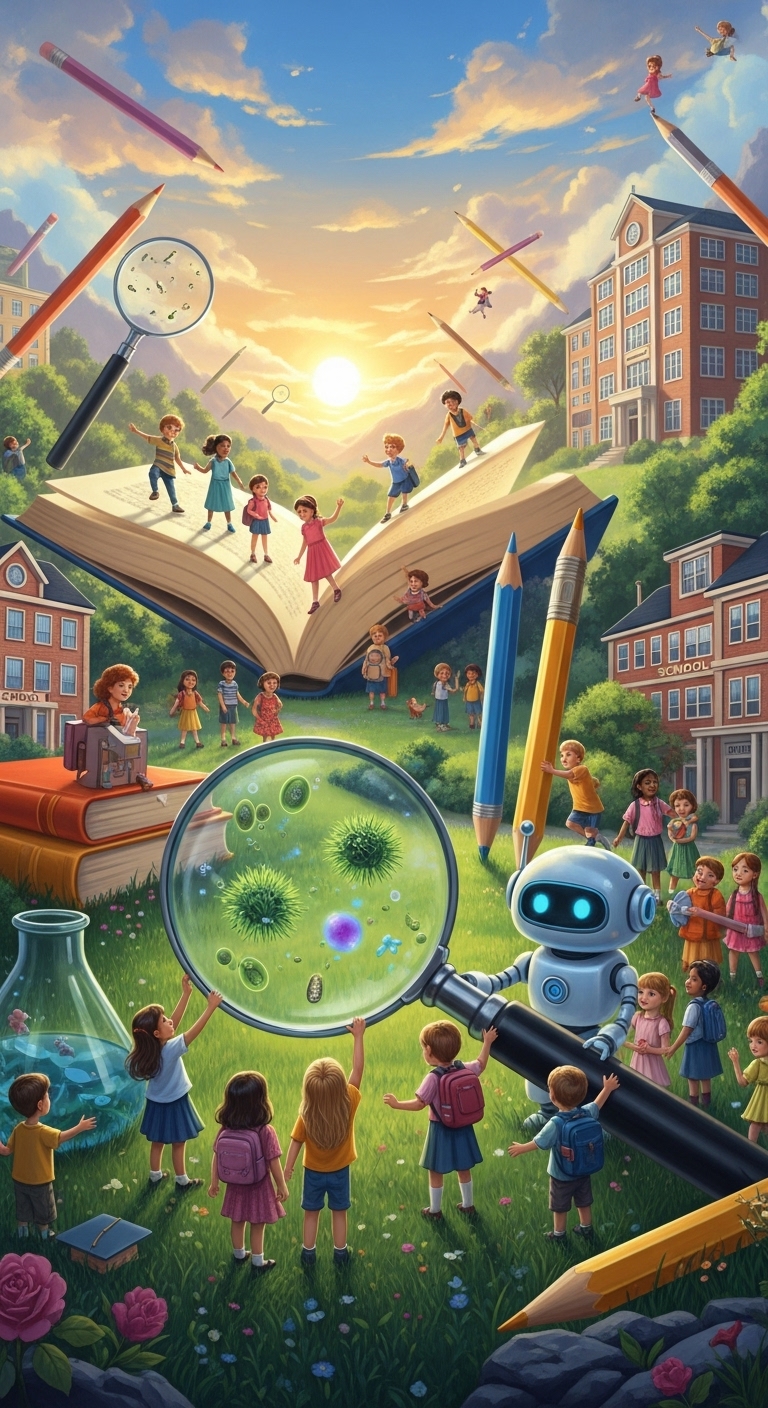
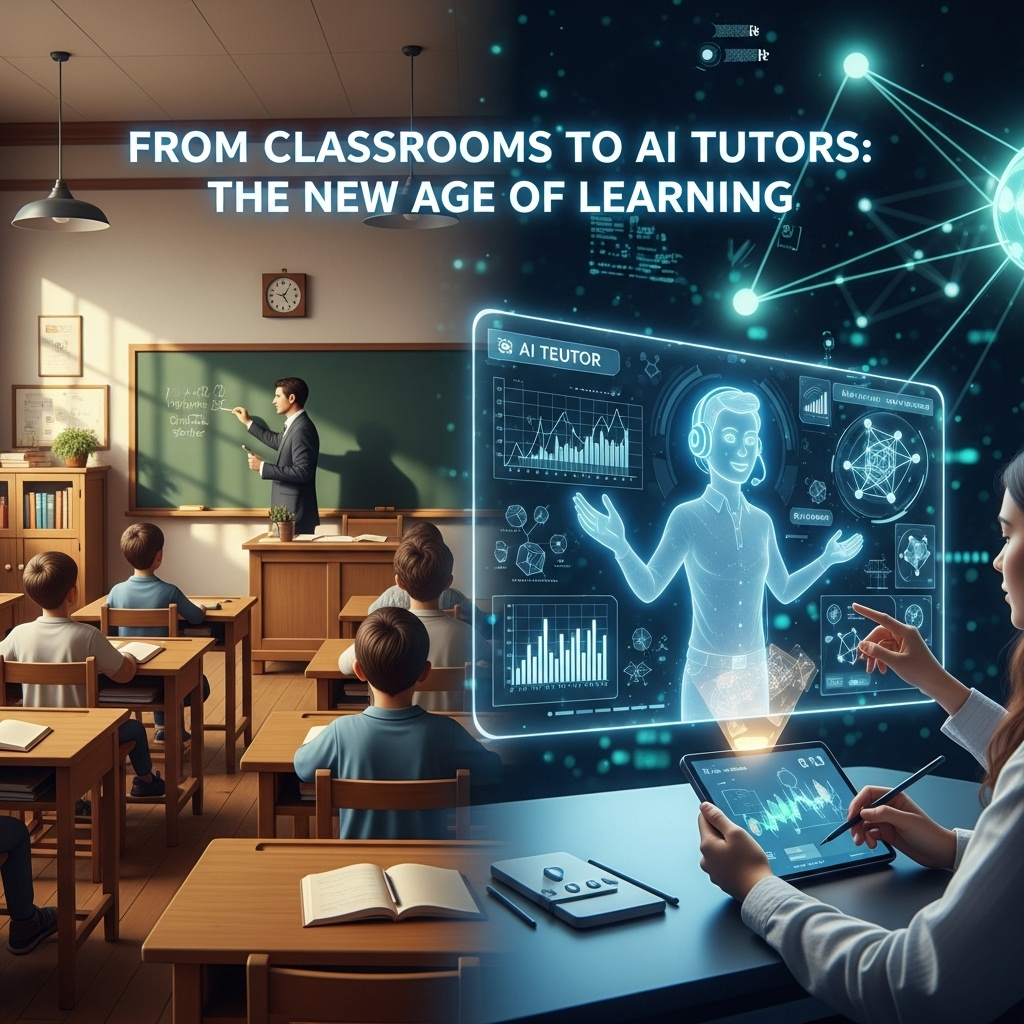
For more than a century, classrooms have looked almost the same—rows of desks, one teacher, one syllabus, and one pace for everyone. But something radical is happening now. AI replacing classrooms is no longer a futuristic idea—it’s already underway.
Today, a student can learn coding, marketing, physics, languages, or even business strategy from their phone—often faster and more effectively than in a traditional school setting. AI tutors don’t get tired, don’t judge, and don’t teach everyone the same way. They adapt.
This shift raises a bold question:
If AI can teach better, what is the real role of schools now?
This article explores how we got here, what AI tutors are changing, what classrooms still offer, and what the future of learning truly looks like.
The Traditional Classroom Model: Where It Falls Short
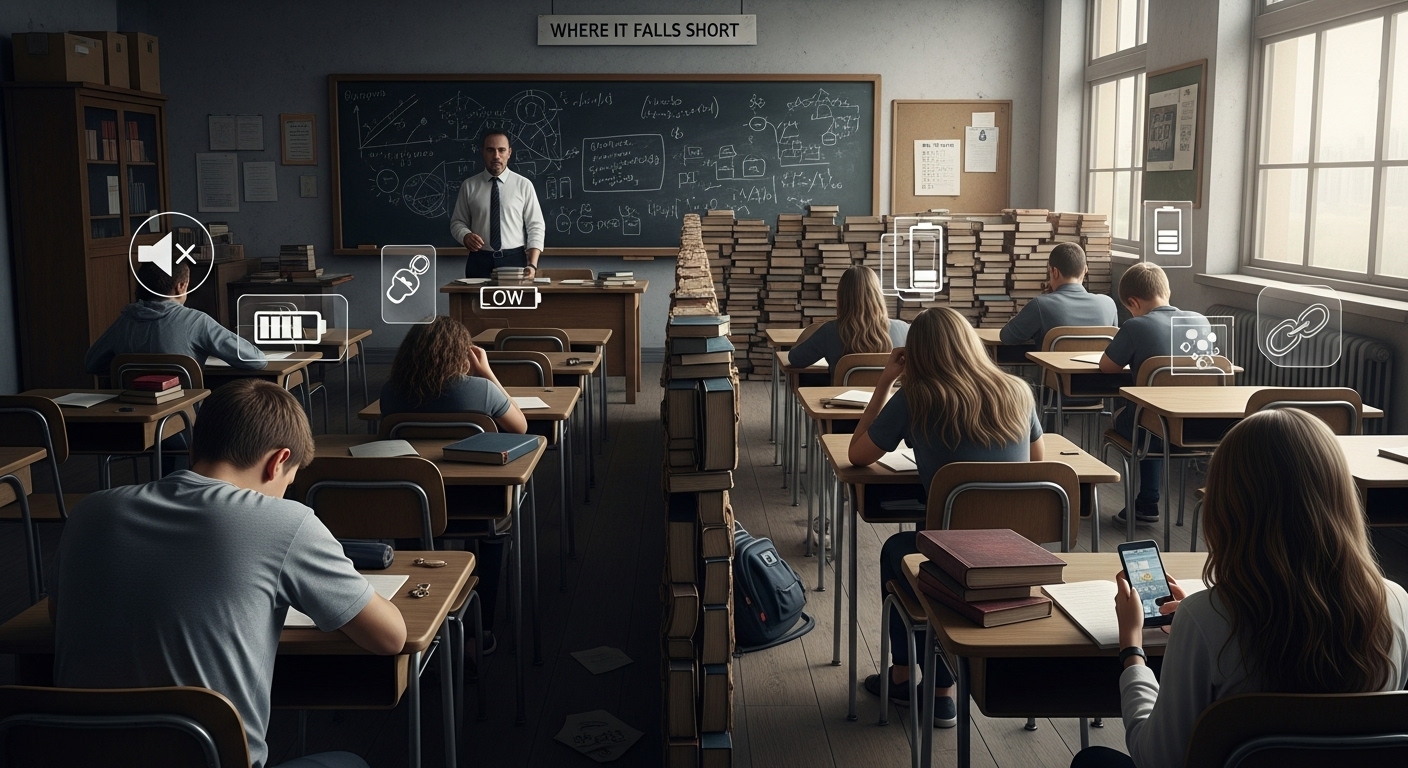
The classroom system was designed for the industrial age, not the intelligence age. It worked when information was scarce and teachers were the primary source of knowledge.
Today, information is everywhere—but education hasn’t fully adapted.
Key limitations of traditional classrooms:
- One teacher for 30–60 students
- Fixed pace regardless of individual ability
- Same curriculum for different learning styles
- Limited real-world personalization
- Pressure to memorize instead of understand
A fast learner gets bored. A slow learner gets left behind. Both lose interest.
This isn’t a failure of teachers—it’s a limitation of the system.
More Updates:-
- AI-Generated Movies in 2026: The Beginning of a New Era in Filmmaking
- Faceless.video Explained: Automated Video Creation Made Simple
- Open AI UpdatesOpenAI Deep Research & New Version Details
- 2026 Guide: How to Start Earning with AI and Build a Profitable Business
- Free Legal Movie Streaming with ChatGPT: 7 Powerful Prompts to Turn Your Laptop into a Home Cinema
- Why 2026 Is the Best Time to Build Mobile Apps with AI for Online Earning
- YouTube was built on creators. Today, it’s being flooded by AI-generated volume with no value.
- How to Make Money with AI: 7 Proven Methods + Complete Step-by-Step Roadmap (2025 Guide)
- Unlock AI Power Now: Top 10 AI Tools in 2025 A Proven Beginner’s Roadmap to Mastery
- Perplexity Score in AI: How It Works and Why It Matters (2025 Guide)
The Rise of AI Tutors: Personalized Learning at Scale
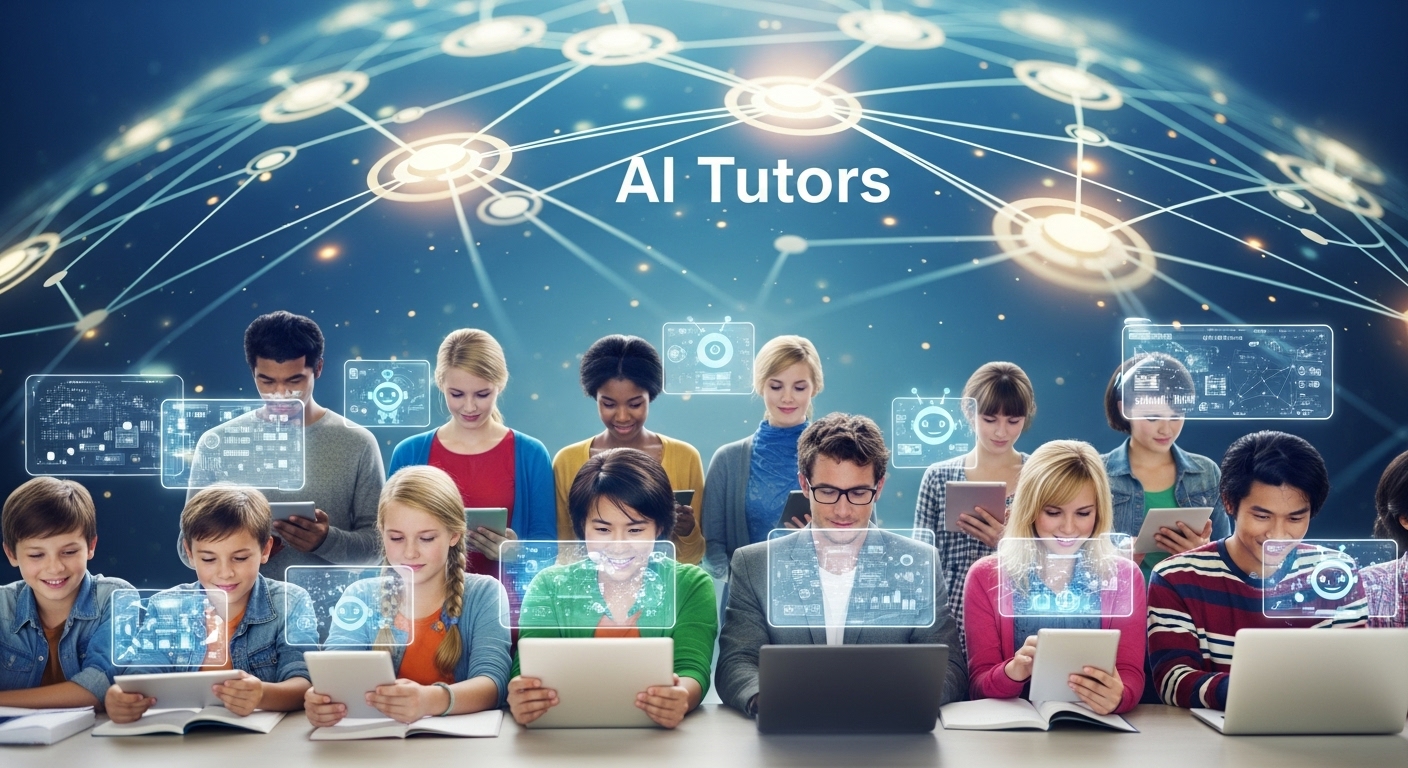
AI tutors flip the education model completely.
Instead of forcing students to adapt to the system, the system adapts to the student.
AI-powered learning tools analyze:
- Learning speed
- Knowledge gaps
- Interests
- Preferred learning formats (text, video, examples, practice)
Then they adjust in real time.
What makes AI tutors different?
- 24/7 availability
- Personalized explanations
- Instant feedback
- No fear of asking “stupid” questions
- Continuous improvement through data
This is why AI replacing classrooms is gaining serious momentum—not because classrooms are useless, but because AI is optimized for learning.
Classrooms vs AI Tutors: A Clear Comparison
| Feature | Traditional Classrooms | AI Tutors |
|---|---|---|
| Learning Pace | Same for everyone | Fully personalized |
| Availability | Fixed hours | 24/7 |
| Teaching Style | One-size-fits-all | Adaptive & interactive |
| Feedback Speed | Slow | Instant |
| Cost Efficiency | High infrastructure cost | Low marginal cost |
| Emotional Comfort | Social pressure | Judgment-free learning |
This doesn’t mean classrooms disappear—but it does mean their role changes.
What Schools Are Becoming: Social Spaces, Not Learning Engines
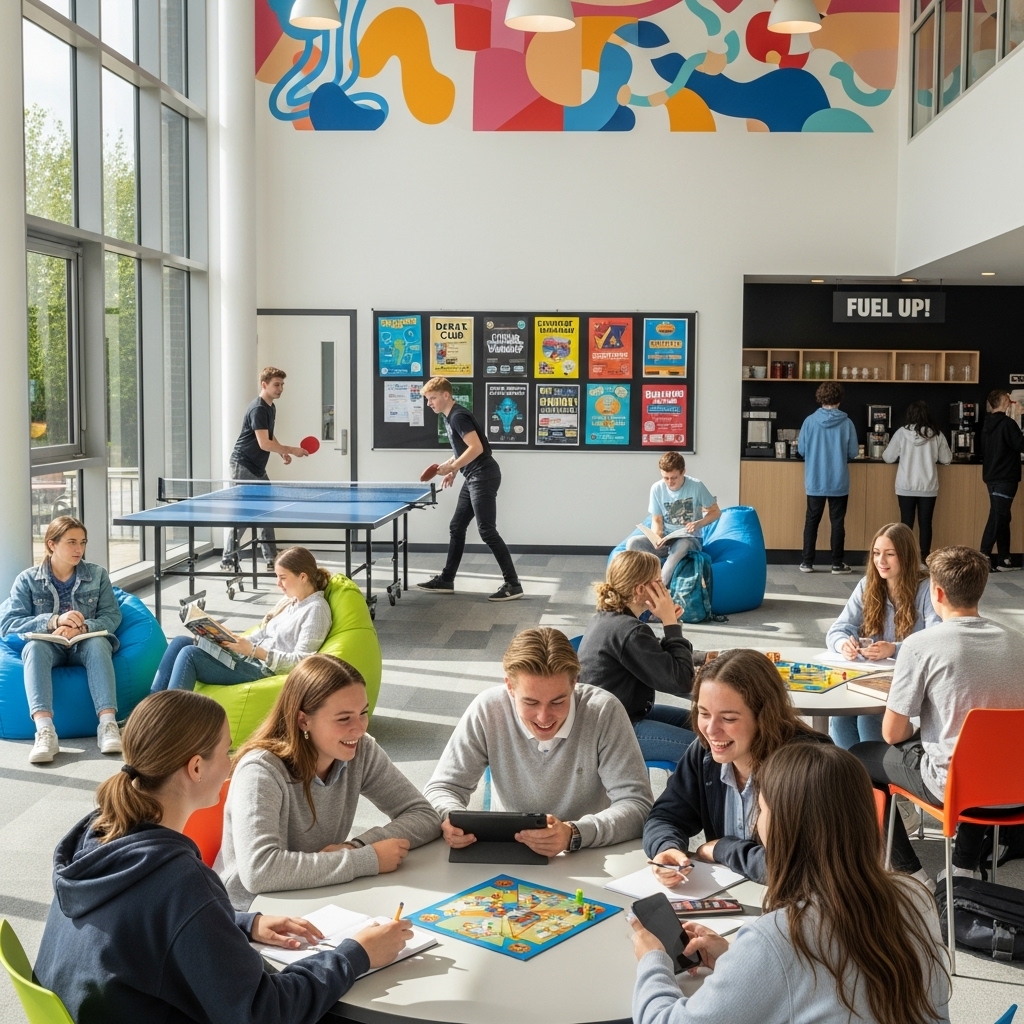
An important insight shared by leaders like Elon Musk is that schools today function more as social environments than knowledge centers.
And that’s not a bad thing.
Schools still play a crucial role in:
- Building friendships
- Developing communication skills
- Leadership & teamwork
- Confidence & emotional intelligence
- Real-world social interaction
But when it comes to pure learning efficiency, AI often outperforms classrooms.
In simple terms:
- AI teaches knowledge
- Schools teach socialization
Real-World Learning Is Already Moving Online
Look around. Millions are already learning outside classrooms:
- Developers learning from AI coding assistants
- Marketers mastering ads through AI tools
- Creators learning editing via AI tutorials
- Entrepreneurs using AI for business strategy
Platforms like:
- Khan Academy (AI-powered learning paths)
- Coursera (adaptive certifications)
- Duolingo (AI language personalization)
…prove that structured learning no longer needs a physical building.
The Psychological Advantage of AI Learning
One underrated benefit of AI tutors is emotional safety.
Students often hesitate to ask questions in class due to:
- Fear of judgment
- Peer pressure
- Embarrassment
AI removes that barrier.
You can ask the same question 10 times. You can fail privately. You can learn at midnight. There’s no shame—only progress.
That alone dramatically improves learning outcomes.
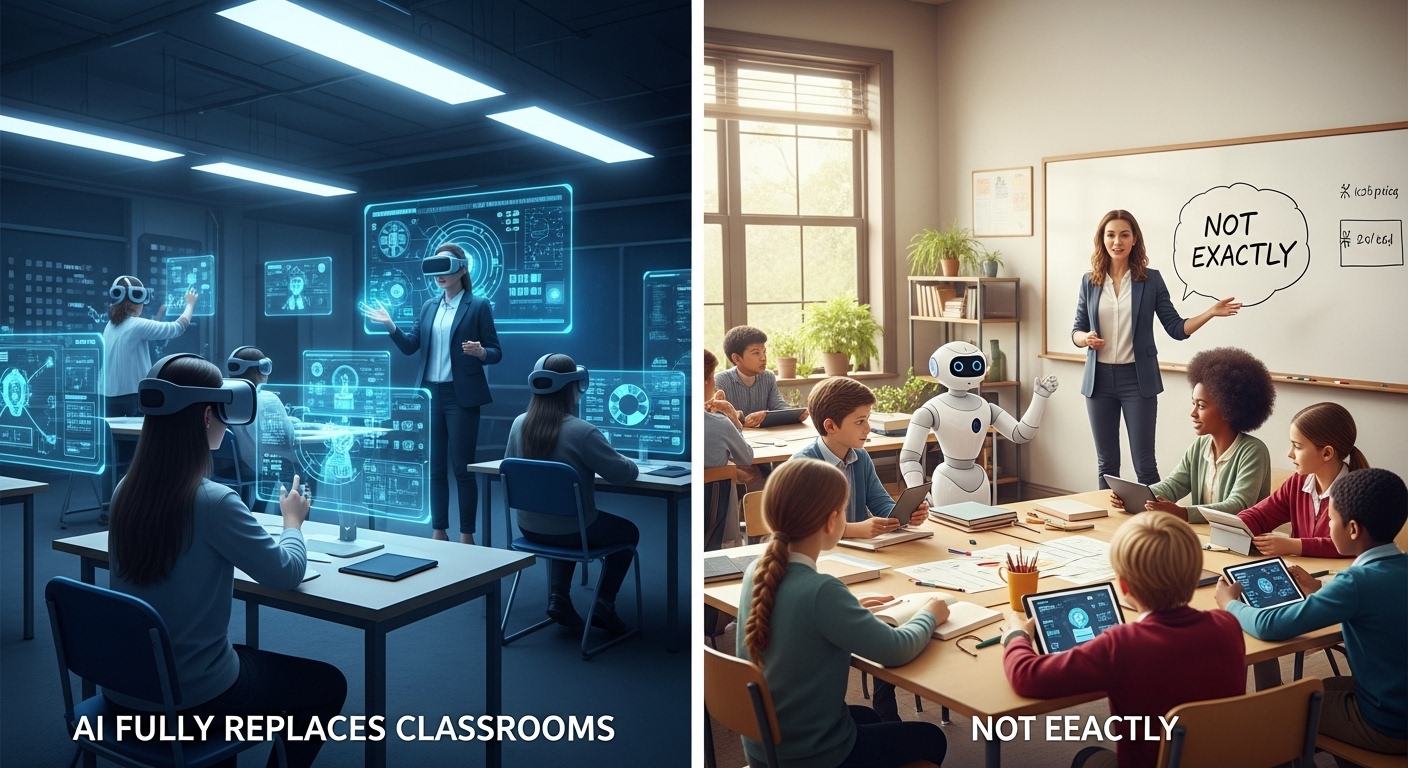
Will AI Fully Replace Classrooms? Not Exactly
Let’s be clear:
AI replacing classrooms doesn’t mean eliminating schools entirely.
The future is hybrid, not extreme.
The most realistic future model:
- AI tutors handle core learning & skill development
- Schools focus on social growth, collaboration & experiences
- Teachers become mentors, not lecturers
- Education becomes personalized, not standardized
This model combines the efficiency of AI with the human depth of real interaction.
The Bigger Shift: From Degrees to Skills
Another major change driven by AI education is the decline of degree-centric thinking.
Employers increasingly value:
- Skills over certificates
- Proof of work over grades
- Learning speed over syllabus completion
AI tutors accelerate skill acquisition—and that directly impacts employability.
Education is no longer about passing exams.
It’s about staying relevant.
What This Means for Students, Parents & Educators
For students:
- Learn faster
- Learn smarter
- Learn independently
For parents:
- Lower education costs
- Better learning visibility
- Personalized growth
For educators:
- Shift from teaching content to mentoring humans
- Use AI as an assistant, not a threat
Those who adapt will thrive. Those who resist will struggle.
The New Definition of Education
Education is no longer:
“Going to a building to receive information.”
It is now:
“Continuously upgrading your skills using intelligent tools.”
And AI is at the center of that transformation.
The Future of Education: How AI Is Transforming Learning Globally
Conclusion: The Classroom Didn’t Die—It Evolved
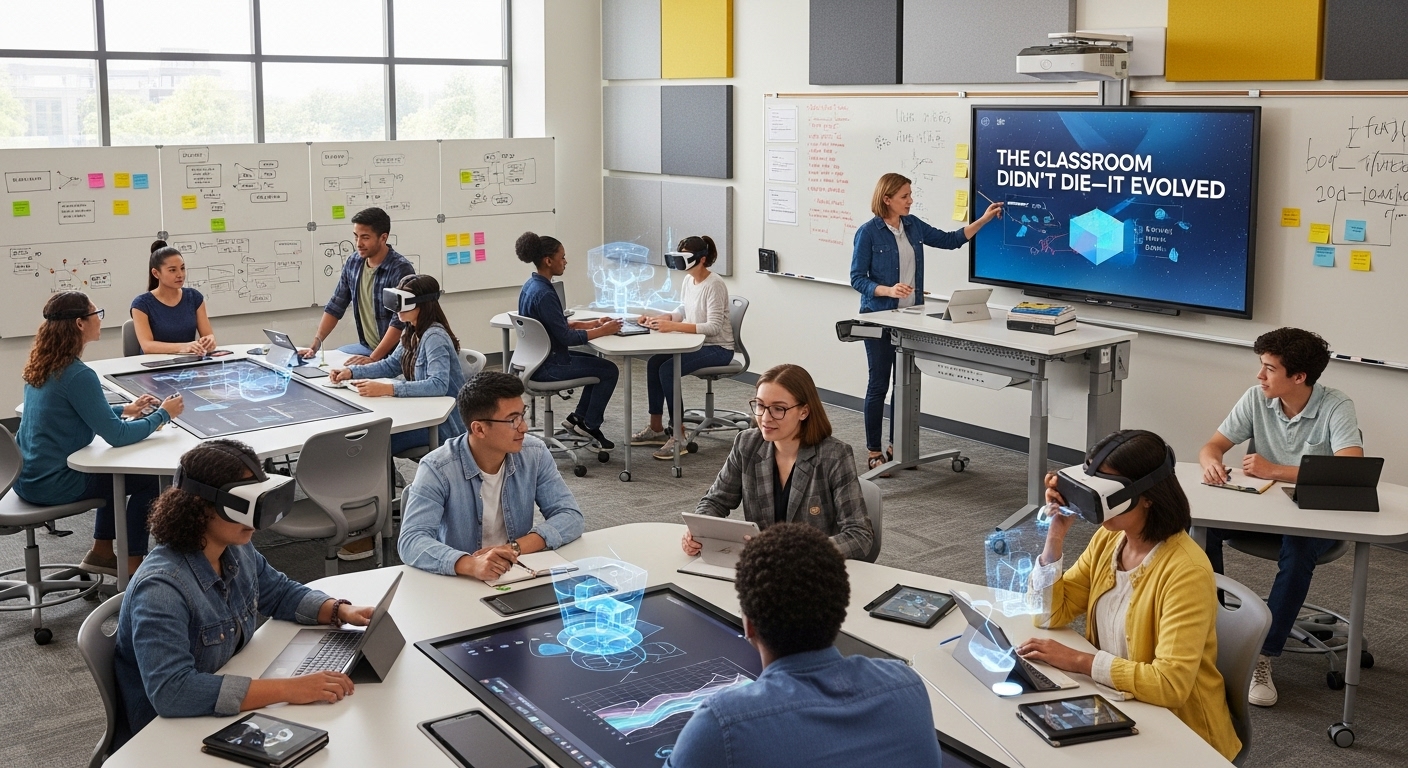
AI replacing classrooms isn’t about destroying education.
It’s about liberating learning from outdated limitations.
The smartest learners of this decade won’t ask:
“Which school should I join?”
They’ll ask:
“How fast can I learn—and adapt?”
And increasingly, the answer will involve AI tutors.