
Intro:
AI image generation has evolved rapidly over the past few years. What once required professional designers and expensive software can now be achieved with a single prompt.
And now a new name is gaining attention — Google Nano Banana.
But is Google Nano Banana really the ultimate AI image generation tool?
Or is it just another addition to an already crowded market?
Let’s break it down properly.
The Evolution of AI Image Generation
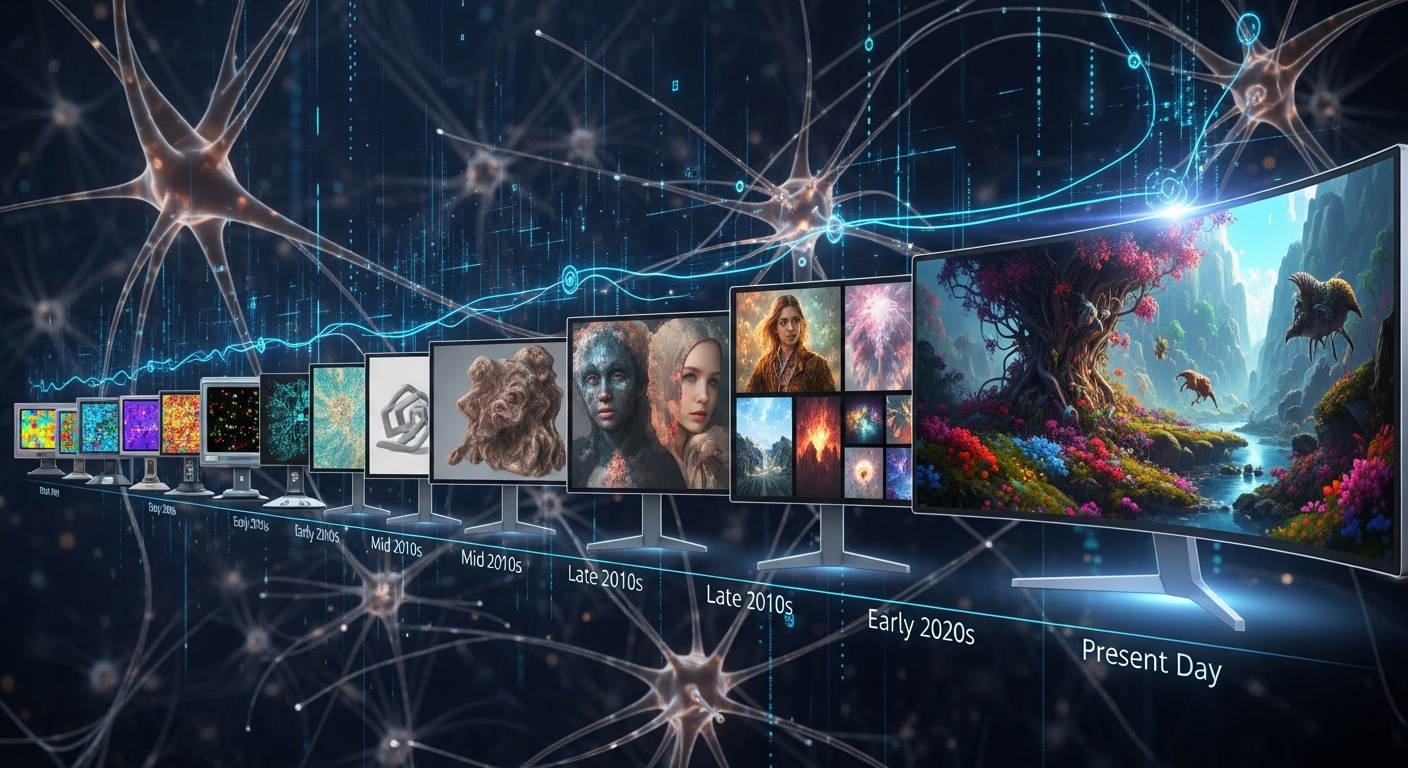
Before understanding Google Nano Banana, we need context.
The AI image revolution started when platforms like:
- OpenAI (with DALL·E)
- Midjourney
- Stability AI (Stable Diffusion)
pushed generative visuals into mainstream use.
More Updates:-
- Perplexity Score in AI: How It Works and Why It Matters (2025 Guide)
- 40 Jobs AI Can’t Replace (Yet): A Reality Check from Microsoft’s Research
- How to Use Gemini AI + Google Search Data to Build a Profitable Side Hustle in 2026
- Why 2026 Is the Best Time to Build Mobile Apps with AI for Online Earning
- AI Side Hustles You Can Start in 2025 (With Zero Investment) – Complete Guide
- GitHub Copilot (2025 Guide): Features, Pricing, and How to Make Money Using It
- Ways to Earn Money with AI in
- Latest AI News Around the World
- Free Legal Movie Streaming with ChatGPT: 7 Powerful Prompts to Turn Your Laptop into a Home Cinema
- Unlock AI Power Now: Top 10 AI Tools in 2025 A Proven Beginner’s Roadmap to Mastery
According to research from McKinsey & Company, generative AI could add trillions of dollars annually to the global economy. Visual content creation plays a massive role in that growth.
Now the competition isn’t about “can it generate images?”
It’s about:
- Speed
- Accuracy
- Commercial usability
- Integration with business systems
That’s where Google Nano Banana 2 becomes interesting.
What is Google Nano Banana 2?
Google Nano Banana 2 appears to be an optimized AI image generation framework focused on:
- High-speed rendering
- Efficient processing
- Scalable deployment
- Enterprise-level integration
The “Nano” branding strongly suggests lightweight architecture — meaning faster performance with lower computational cost.
If this model aligns with Google’s recent multimodal AI developments (like the Gemini family), then Nano Banana could represent a shift toward efficient, real-time AI visuals.
Key Features of Google Nano Banana 2
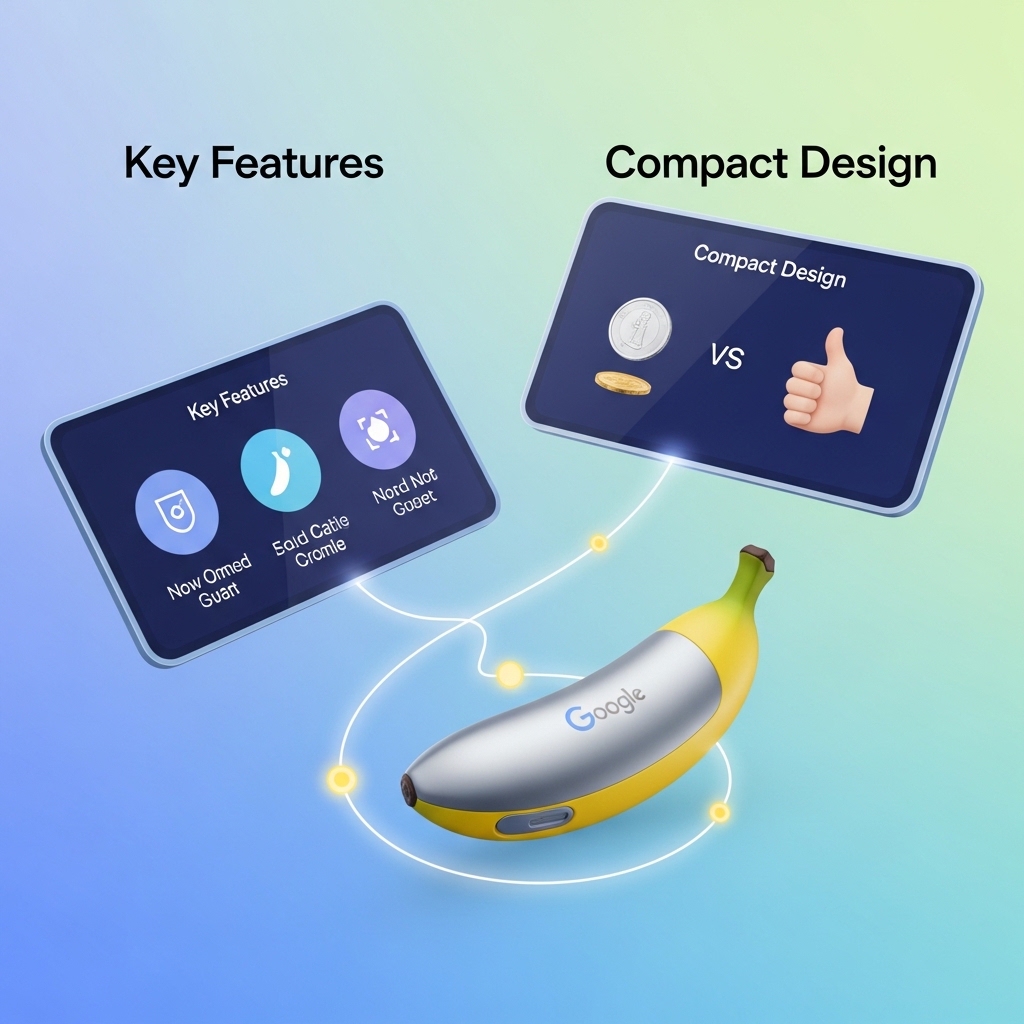
1. Optimized Performance
Unlike heavy GPU-dependent systems, Google Nano Banana is expected to emphasize:
- Lower latency
- Faster output
- Cost-efficient scaling
For startups and creators, this means reduced infrastructure dependency.
2. High Prompt Accuracy
Modern creators demand precision.
Nano Banana 2 aims to interpret:
- Lighting details
- Composition structure
- Brand tone
- Cinematic instructions
Better prompt understanding = less editing time.
3. Business-Ready Output
This is where Google may dominate.
If integrated with:
- Google Ads
- YouTube Studio
- Google Workspace
Then image generation becomes part of a larger ecosystem.
That’s not just a tool — that’s infrastructure.
Comparison: Google Nano Banana vs Other AI Image Tools
| Feature | Google Nano Banana | Midjourney | DALL·E | Stable Diffusion |
|---|---|---|---|---|
| Speed | Likely optimized | Moderate | Fast | Depends on hardware |
| Customization | High control | Artistic focus | Moderate | Advanced |
| Enterprise Integration | Strong potential | Limited | Moderate | Developer-driven |
| Local Support | Expected | No | No | Yes |
If Google executes correctly, Nano Banana may dominate business workflows rather than artistic communities.
Modern AI image models like Google Nano Banana can generate:
- Photorealistic portraits
- Concept art
- Branding visuals
- Cinematic scenes
The difference is not just quality.
It’s consistency at scale.
Strategic Insight: The Real Competitive Edge
Most reviews talk about art quality.
That’s surface level.
The real battle is ecosystem control.
If Google Nano Banana integrates directly into advertising systems and content platforms, it could become:
- The default ad creative engine
- The default thumbnail generator
- The default marketing visual system
Distribution power > artistic quality.
That’s the long-term game.
Who Should Use Google Nano Banana?
Digital Marketers
Generate ad creatives quickly and test multiple variations.
YouTube Creators
Create thumbnails and storytelling visuals at scale.
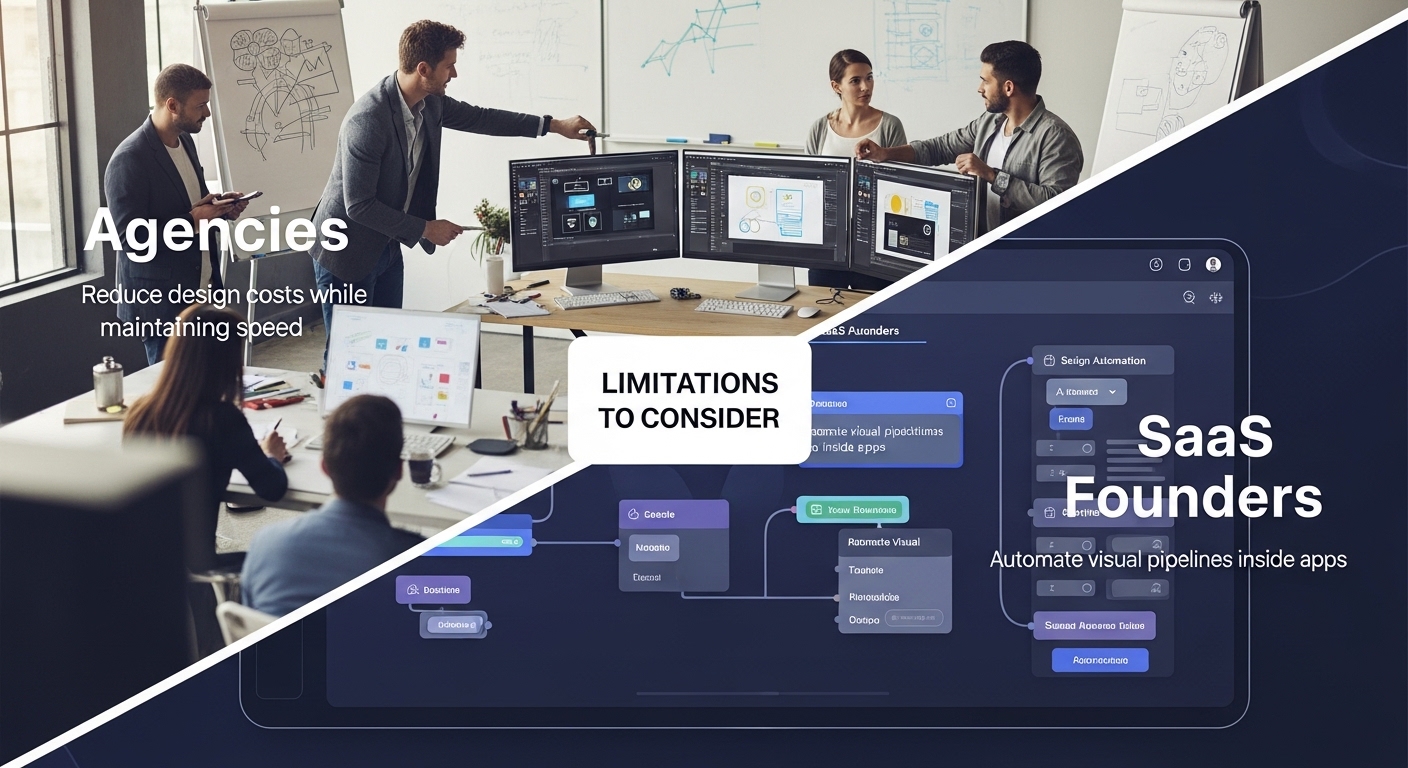
Agencies
Reduce design costs while maintaining speed.
SaaS Founders
Automate visual pipelines inside apps.
Limitations to Consider
Every AI system comes with concerns:
- Ethical boundaries
- Copyright implications
- Bias in generated outputs
Responsible deployment will be key.
Final Verdict
Is Google Nano Banana the ultimate AI image generation tool?
If your goal is:
- Scalability
- Integration
- Speed
- Cost efficiency
Then yes — it has strong potential.
But the true advantage won’t be in creating pretty images.
It will be in building automated visual systems around it.
Google DeepMind – Gemini Models
Conclusion
AI image generation is no longer experimental.
It’s foundational.
Google Nano Banana 2 represents the shift from creative novelty to business infrastructure.
The winners won’t be those who create images.
They’ll be those who build systems around them.