
- Introduction: Why the OpenAI Health Feature Matters More Than You Think
- What Is the OpenAI Health Feature?
- How OpenAI Health Compares to Existing Health Platforms
- Secure Data Integration: The Foundation of Trust
- Explaining Health Trends in Plain Language
- Preparing for Doctor Visits: A Quiet Revolution
- Fitness and Nutrition Planning That Adapts to Real Life
- Smarter Health Insurance Decisions
- Why This Could Be a Massive Market for OpenAI
- Key Insights: What Makes OpenAI Health Different
- The Road Ahead: Opportunities and Responsibilities
- Conclusion: A More Informed, Empowered Patient
Introduction: Why the OpenAI Health Feature Matters More Than You Think
For years, people have searched their symptoms online, tracked fitness data in apps, and stored medical reports across multiple platforms—yet none of these systems truly talked to each other. The result? Fragmented health data, confusing reports, and rushed doctor visits where patients struggle to explain patterns that took months to develop.
The OpenAI health feature changes this equation in a fundamental way.
With its new “Health” initiative, OpenAI is stepping into one of the most complex and impactful industries in the world: healthcare. Instead of replacing doctors or offering one-size-fits-all advice, this feature focuses on context-aware guidance—helping users understand trends in their health data, prepare better for medical appointments, and make more informed decisions about fitness, nutrition, and even insurance.
This isn’t just another AI update. It signals a shift toward personalized, continuous healthcare intelligence—and it could redefine how individuals manage their health on a daily basis.
What Is the OpenAI Health Feature?
At its core, the OpenAI health feature allows users to securely connect medical records and wellness apps to an AI system capable of analyzing trends over time.
Instead of reacting to isolated data points, the system looks at the bigger picture.
More updates –
- How to Use Gemini AI + Google Search Data to Build a Profitable Side Hustle in 2026
- Why 2026 Is the Best Time to Build Mobile Apps with AI for Online Earning
- AI-Generated Movies in 2026: The Beginning of a New Era in Filmmaking
- Human vs Artificial Intelligence: AI Has Intelligence, Not Curiosity — And That Changes Everything
- YouTube was built on creators. Today, it’s being flooded by AI-generated volume with no value.
- 2026 Guide: How to Start Earning with AI and Build a Profitable Business
- AI Side Hustles You Can Start in 2025 (With Zero Investment) – Complete Guide
- How to Make Money with AI: 7 Proven Methods + Complete Step-by-Step Roadmap
- GitHub Copilot (2025 Guide): Features, Pricing, and How to Make Money Using It
- Google Gemini 2.5 AI (2025): Everything You Need to Know About Google’s Next-Gen AI
Key Capabilities at a Glance
- Secure integration with medical records and health apps
- AI-driven explanations of lab results and health trends
- Smarter preparation for doctor visits
- Personalized fitness and nutrition planning
- Decision support for health insurance choices
Importantly, the feature is not designed to provide medical diagnoses. Its strength lies in interpretation, preparation, and clarity—areas where most patients currently struggle.
How OpenAI Health Compares to Existing Health Platforms
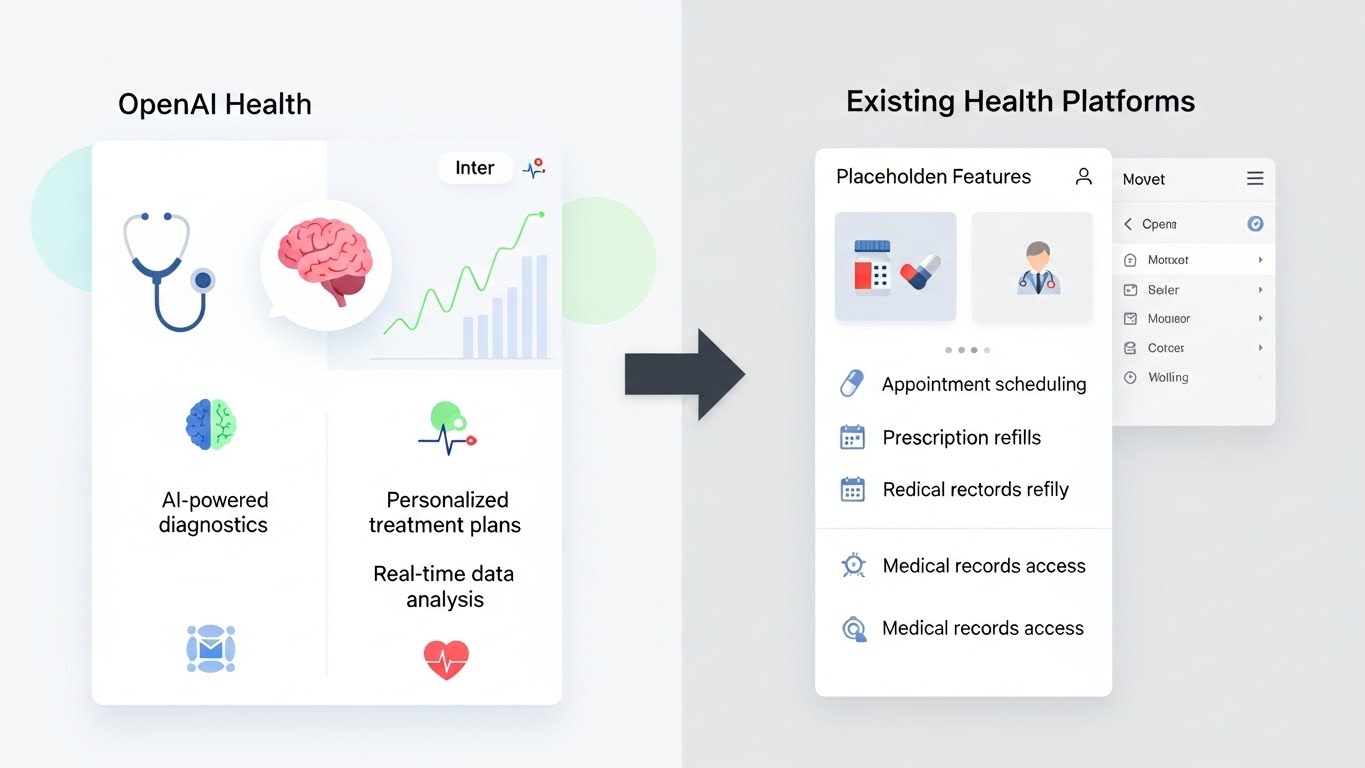
To understand why this launch is significant, it helps to compare it with traditional digital health tools.
AI Health Tools: A Quick Comparison
| Feature | Traditional Health Apps | OpenAI Health Feature |
|---|---|---|
| Data Sources | Isolated (single app/device) | Unified medical + wellness data |
| Insights | Static charts & summaries | Context-aware, conversational explanations |
| Doctor Visit Prep | Manual notes | AI-generated summaries & questions |
| Personalization | Limited | High, based on long-term trends |
| Insurance Guidance | Rare or generic | Data-informed decision support |
Most health apps show what is happening. The OpenAI health feature focuses on explaining why it might be happening and what to discuss next.
Secure Data Integration: The Foundation of Trust

Healthcare innovation only works if users trust the system. OpenAI has emphasized secure connections and user-controlled data access as a core principle of this feature.
Users decide:
- Which medical records to connect
- Which wellness apps to integrate
- When and how data is used
This approach aligns with modern privacy expectations and global healthcare data standards discussed by organizations like the World Health Organization and leading digital health researchers.
By keeping users in control, the OpenAI health feature aims to lower the biggest barrier to AI adoption in healthcare: fear of misuse.
Explaining Health Trends in Plain Language
One of the most overlooked problems in healthcare is comprehension.
Lab reports, medical jargon, and trend graphs often leave patients more confused than informed. The OpenAI health feature addresses this gap directly.
What Makes This Different?
Instead of displaying raw data, the AI can:
- Explain changes in cholesterol, glucose, or sleep patterns over time
- Highlight correlations (e.g., stress levels vs. sleep quality)
- Flag trends worth discussing with a doctor
This is especially powerful for people managing chronic conditions, where understanding long-term patterns matters more than single readings.
Preparing for Doctor Visits: A Quiet Revolution

Doctor appointments are short. Patients often forget key details or struggle to explain symptoms clearly.
The OpenAI health feature acts like a personal health briefing assistant.
Before an appointment, it can help users:
- Summarize recent health trends
- List notable changes or concerns
- Prepare relevant questions for the doctor
This doesn’t replace professional judgment—it enhances communication. Better-prepared patients often lead to better clinical outcomes, as supported by multiple healthcare communication studies.
Fitness and Nutrition Planning That Adapts to Real Life
Most fitness and diet plans fail because they ignore context.
The OpenAI health feature takes a more adaptive approach by considering:
- Activity levels
- Sleep quality
- Past consistency (not just goals)
- Health limitations reflected in medical data
Instead of pushing extreme routines, the AI can suggest realistic adjustments—a small change in nutrition, a manageable workout schedule, or rest when data indicates fatigue.
This human-centered design is what separates guidance from generic advice.
Smarter Health Insurance Decisions
Insurance is one of the most confusing aspects of healthcare, especially for individuals and families navigating multiple options.
Using health trends and personal priorities, the OpenAI health feature can:
- Help users understand what type of coverage aligns with their needs
- Compare plans based on expected usage patterns
- Clarify trade-offs between premiums, deductibles, and benefits
This feature alone has the potential to save users significant time—and money—by aligning insurance choices with actual health behavior rather than guesswork.
Why This Could Be a Massive Market for OpenAI
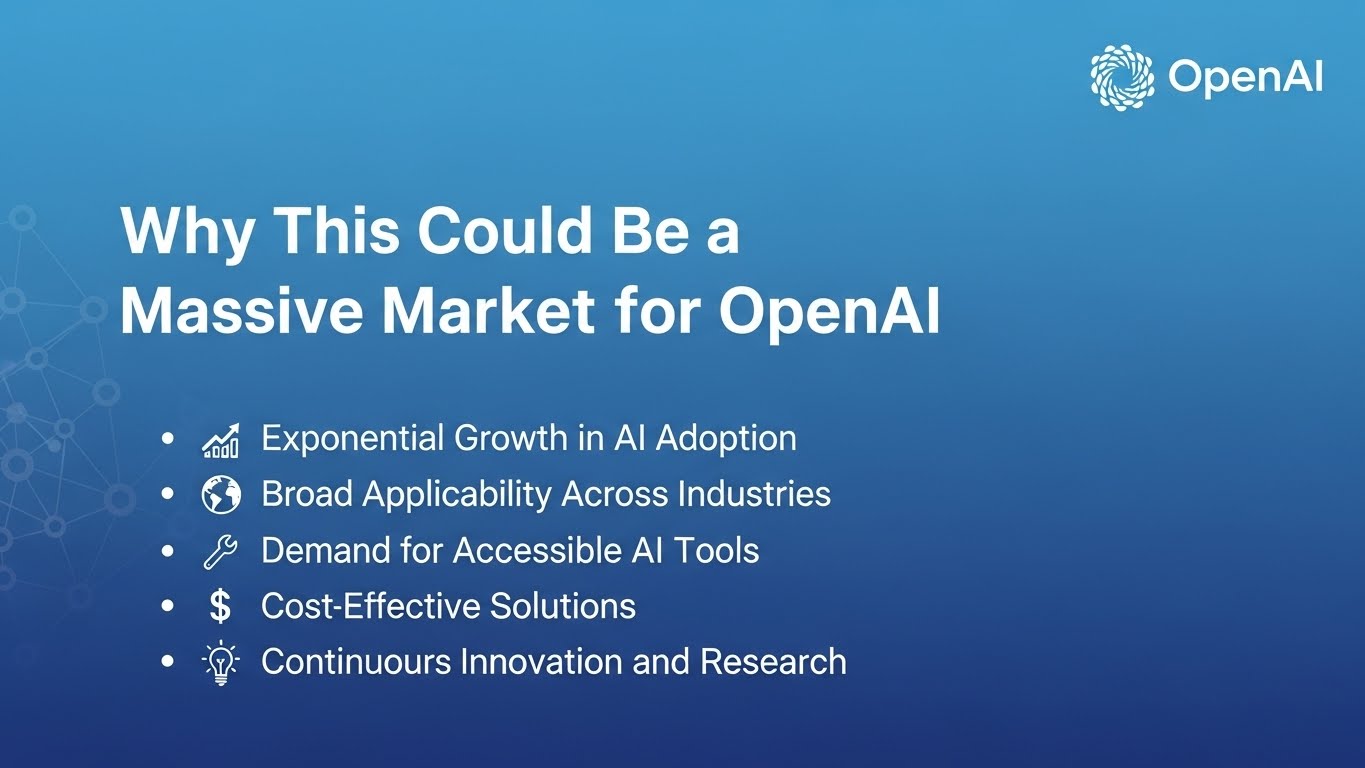
Healthcare is not just another industry—it’s one of the largest and most regulated markets globally.
The OpenAI health feature positions the company at the intersection of:
- Consumer AI adoption
- Preventive healthcare
- Personalized data intelligence
As more users already turn to AI tools for health-related questions, this move formalizes what was happening organically—while adding structure, security, and accountability.
If executed responsibly, this could open doors to partnerships with healthcare providers, insurers, and wellness platforms worldwide.
Key Insights: What Makes OpenAI Health Different
- Focuses on guidance, not diagnosis
- Prioritizes user control and data security
- Bridges the gap between raw data and real understanding
- Enhances—not replaces—doctor-patient interactions
- Expands AI’s role into preventive and everyday healthcare
These design choices reflect a mature approach to one of AI’s most sensitive applications.
The Road Ahead: Opportunities and Responsibilities
While the potential is enormous, so is the responsibility.
Success will depend on:
- Transparent data practices
- Clear limitations of AI-generated guidance
- Ongoing collaboration with medical professionals
- Continuous user education
The OpenAI health feature is not the final destination—it’s the foundation of a new healthcare interface powered by AI.
Conclusion: A More Informed, Empowered Patient

Healthcare doesn’t need more data—it needs better understanding.
By connecting medical records, wellness apps, and AI-driven interpretation, the OpenAI health feature moves healthcare closer to being proactive, personalized, and patient-centered.
For users, this means fewer unanswered questions, more productive doctor visits, and decisions based on clarity rather than confusion.
If this direction continues, AI may not replace doctors—but it could become the most reliable partner patients have ever had in managing their health.
What’s your take on the OpenAI health feature?
Do you see AI becoming a daily part of personal healthcare—or are there concerns that still need addressing?