
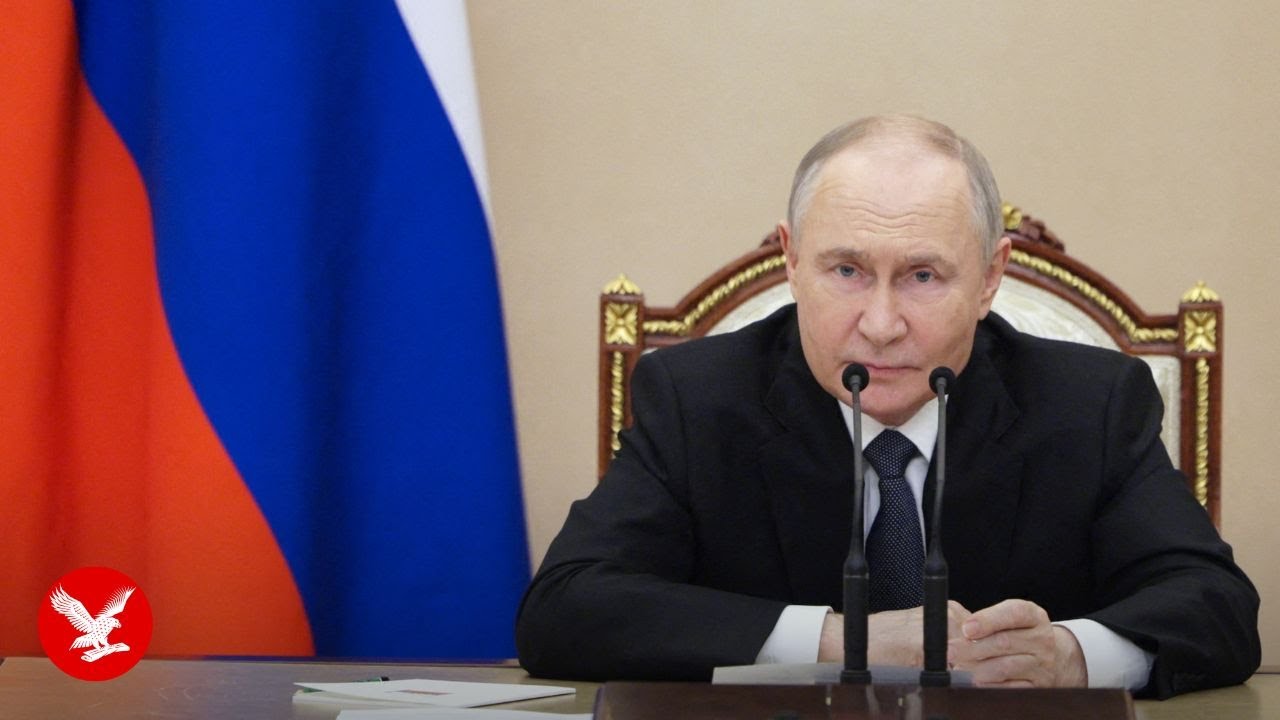
“You have to understand this, the possibilities of using artificial intelligence are simply colossal. Whoever begins to master these technologies faster, in this case in military affairs, will have huge advantages on the battlefield. We have other ideas, other developments, we’ll talk about this separately.”
Putin’s Statement and Geopolitical Implications
Putin’s statement highlights Russia’s drive to modernize its military with advanced AI, reflecting a global race among Russia, China, and the U.S. to use artificial intelligence for future warfare dominance.
Competitive Edge in Military Superiority
The nation that masters AI in military affairs will have numerous strategic benefits:
- Speed and Precision: AI can deliver faster and more precise decision-making, enhancing both offensive and defensive operations.
- Cost Efficiency: AI-driven automation in defense reduces human error and manpower needs, lowering costs while boosting operational efficiency.
- Adaptability: AI-powered systems learn from past missions, adjusting strategies in real time to counter evolving threats and enemy tactics.
AI Arms Race
As Putin suggests, the AI arms race is already underway, with the major world powers investing heavily in AI research and development to outpace their adversaries. The faster a country integrates AI into its military systems, the more advantages it will have over others. Countries that are slow to adopt these technologies may risk being left behind, with their military forces potentially outclassed by AI-powered counterparts.
Putin’s ‘Other Ideas and Developments’
Putin’s mention of “other ideas, other developments” indicates that Russia has plans beyond simply deploying existing AI technologies in defense. This could mean the development of new, innovative technologies or strategies that leverage AI in unexpected ways. For instance:
- AI-driven Tactical Units: Russia may be looking into creating AI-driven units that operate without direct human control but are capable of executing highly complex military operations autonomously.
- Strategic AI Alliances: Another possibility is the establishment of partnerships with other countries or private tech companies to access the best AI research, accelerating military capabilities further.
The Global Impact
The increasing reliance on AI in military applications poses several risks and challenges:
- Ethical Concerns: The development of autonomous weapons raises ethical questions about accountability and control. If AI systems are responsible for deadly force, it can be difficult to hold anyone accountable for the consequences.
- International Regulations: As nations rush to develop AI weapons, the question of regulating AI in warfare becomes crucial. International agreements may be needed to prevent an uncontrolled arms race in AI-driven military technology.
- Security Risks: AI systems are vulnerable to hacking and manipulation. An adversary gaining control of another country’s AI systems could have devastating consequences.
Conclusion
Putin’s remarks underscore the importance of AI in shaping the future of warfare. The country that leads in AI military technology will likely have the upper hand in future conflicts. As nations like Russia, the U.S., and China invest heavily in AI, the global military balance will increasingly depend on technological superiority rather than sheer numbers. However, this also brings with it ethical concerns and the risk of an AI arms race that could have global repercussions.
In the coming years, AI’s role in military affairs will continue to evolve, and those who master it fastest will undoubtedly hold the strategic advantage in the battlefield.






OpenAI 2025 Update: New Version & Deep Research Insights
[…] 25, 2025 update: https://aicoursera.com/putin-whoever-masters-ai-faster-will-have-huge-advantages/All Plus users can now use deep […]